
Drains and Sewer Lines
Drain Cleaning in Greer, SC: Clearing a Clogged Sink, Tub or Toilet Line
Water that drains slowly, gurgles or stops is telling you where the blockage sits. Greer SC Plumbing Experts clears clogged sinks, tubs, toilets and floor drains, and looks inside the line when the clog keeps coming back.
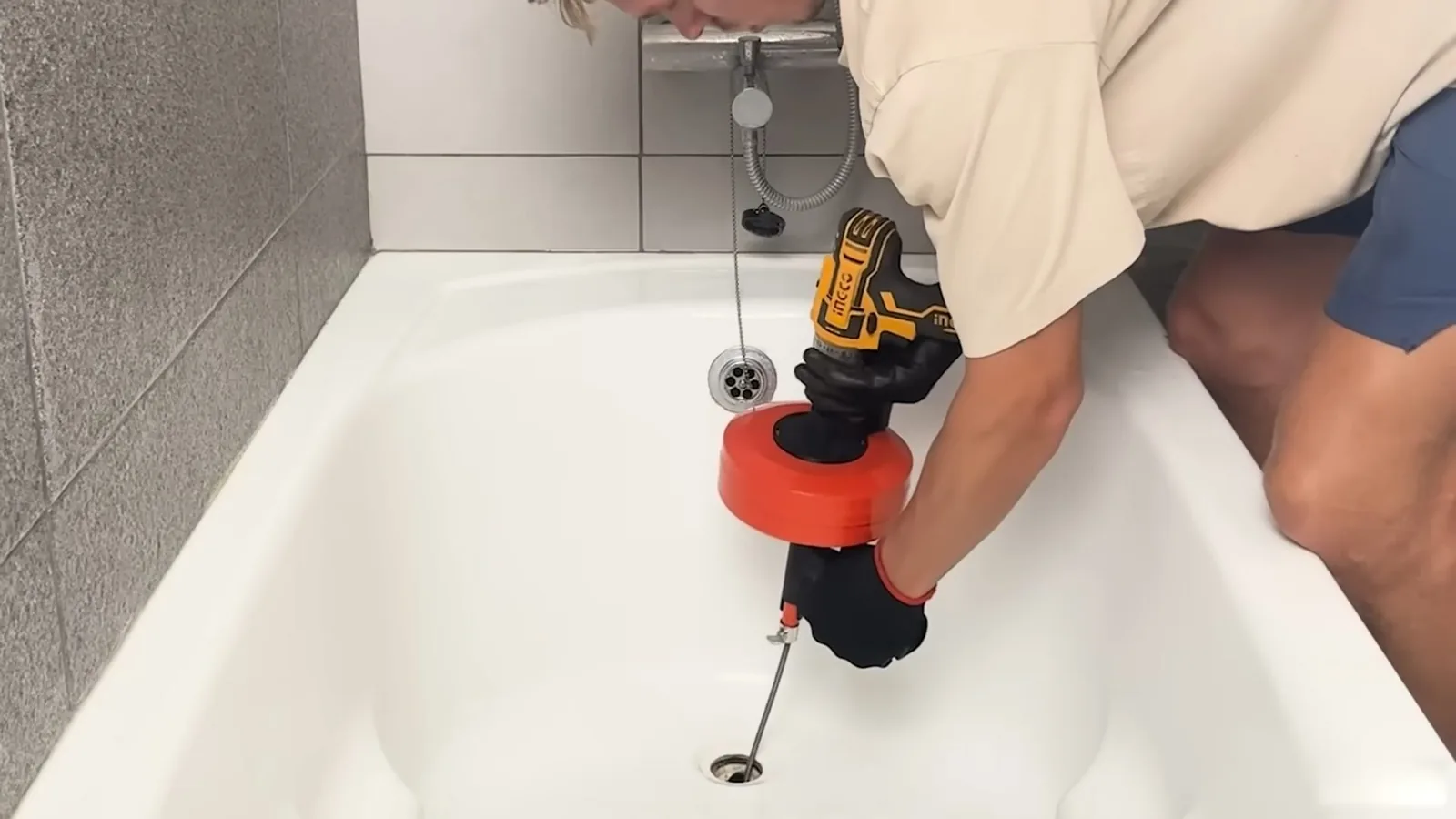
Slow drain or main-line clog? Three checks before you call
How many fixtures are affected decides almost everything that follows. A single slow sink or tub is a local clog, and a plunger or hand tool sometimes clears it. Several fixtures slowing down together point to the main line, which sits farther from the house and takes different tools.
- Run water in the fixture that drains worst, then flush the toilet nearest it. If water rises in a tub or shower when the toilet flushes, the shared line is partly blocked.
- Check the lowest drain in the house, usually a ground-floor tub, basement drain or floor drain. Water or sewage showing up there first is a main-line sign.
- Note whether the clog came back within weeks of the last cleaning. A line that clogs again quickly usually has a cause the cable never touched, such as grease buildup, roots or a damaged section.
Clogged drain repair, as people often search for it, usually means clearing the blockage and then checking whether a damaged pipe caused it. Drain cleaning and unclogging a single fixture is the quick end of that range, while a line that clogs again belongs further along it.
These checks tell you where to look, not what is blocking the line. If sewage is coming up, stop using water in the house and read about main sewer line repairs.
Sewage backing up into a tub or floor drain is urgent. Stop running water, keep children and pets out of the area and call now.
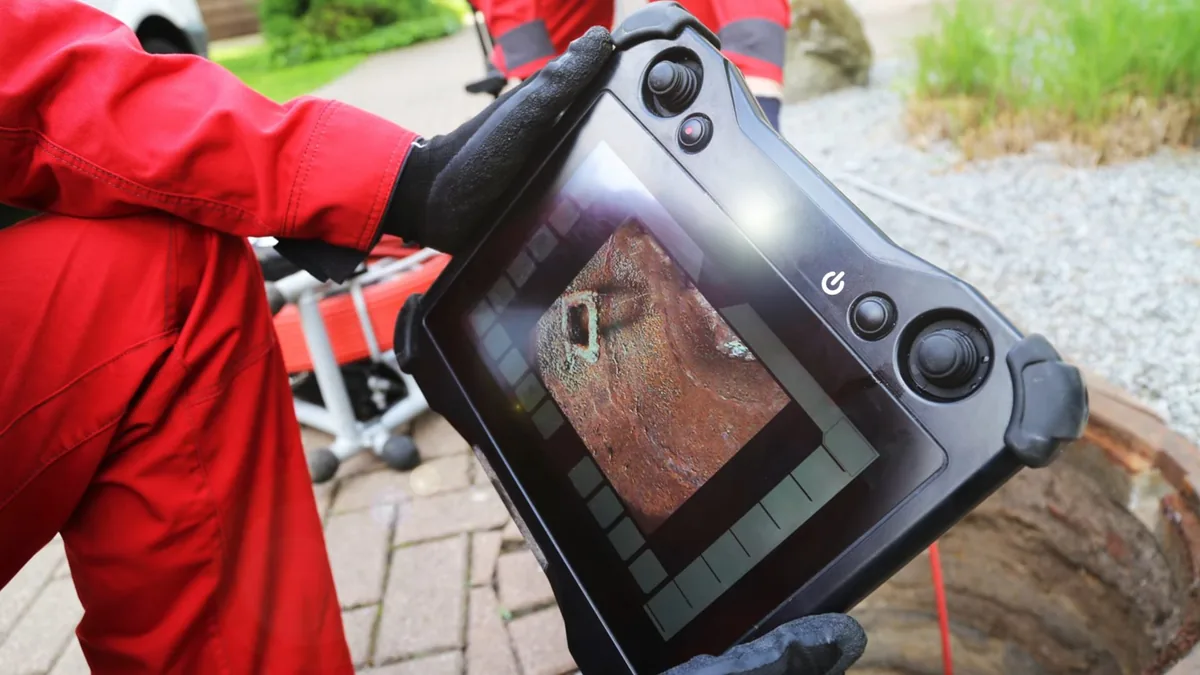
What happens when the plumber arrives
The job starts with questions, not a cable. The plumber asks which fixtures are affected, how long it has been going on and what has already been tried, then works from the nearest point of access, which may be the fixture trap, a cleanout or a vent.
Light clogs in sinks and tubs are cleared with a hand auger. Deeper clogs get a motorized cable with a cutting head sized to the pipe. Afterward, running water through the line shows whether it flows freely, and that test matters more than how far the cable went in.
When the cause is unclear, a camera look shows the pipe interior. Ask for one after a clog that returns, because a line that keeps blocking has a reason and the camera shows it.
Signs a clog is forming, before it backs up
Drains rarely fail without warning. Acting on the early signs is easier on the house than waiting for a backup.
- Water that takes a little longer each week to leave a sink or tub
- A gurgling sound from one drain when another fixture empties
- A smell near a drain that returns after you clean the trap
- Bubbles in the toilet when the washer drains
- Water pooling around a floor drain after heavy use
None of this needs a fixed cleaning schedule. These signs are the cue to call, and the pattern tells a plumber which line is closing up.
Kitchen, bathroom, laundry and floor drains clog for different reasons
| Drain | Usual cause | What helps | What to avoid |
|---|---|---|---|
| Kitchen sink | Grease and food residue cooling inside the line | Scraping plates, hot water after use, cable clearing once buildup forms | Pouring cooking fat down the drain |
| Bathroom sink and tub | Hair and soap binding together | A hair catcher, cleaning the stopper, a hand auger | Repeated chemical openers, which can damage fittings and leave caustic water in the trap |
| Toilet | Too much paper, wipes or a dropped object | A plunger, then a closet auger | Flushing wipes sold as flushable |
| Laundry standpipe | Lint and soap residue | A lint trap on the washer hose, cable clearing | Leaving the standpipe uncovered between loads |
| Floor and yard drain | Debris, silt and sometimes roots | Clearing the grate, cable clearing, a camera look | Letting leaves and mulch pile over the grate |
Yard drains, French drains and storm lines that carry roof or lawn water can be cleared the same way. If you manage a commercial kitchen, mention the grease drain when you call, because grease lines clog on a different pattern than household ones.
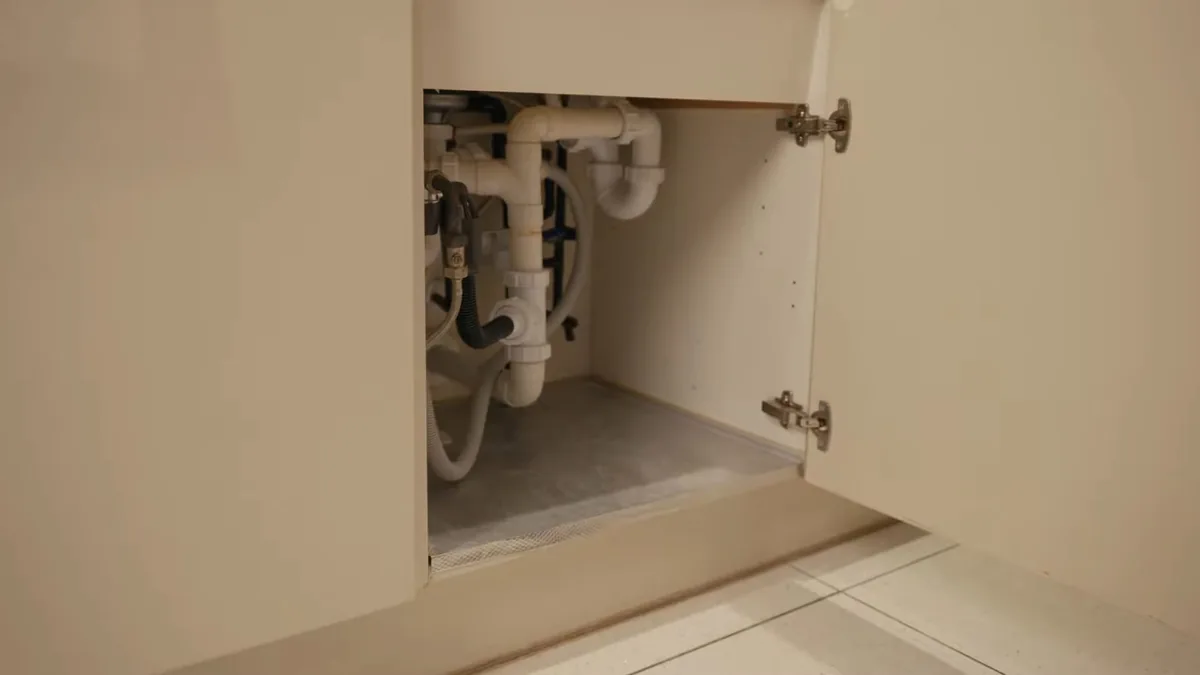
Describe the clog to a plumber
Tell us which fixtures are slow and what you have tried. We will say whether it sounds like a local clog or a main-line problem.
When drain cleaning is no longer the right fix
A cable clears a blockage. It does not repair a pipe. If a camera shows a belly, a crack or roots entering a joint, the next step is repair, and clearing the same line again only buys time. That conversation belongs with repairing the sewer lateral rather than another cleaning.
Grease and soap that coat the pipe wall are a different case. A cable punches a hole through the buildup and the line narrows again within weeks. Scouring the wall clean calls for high-pressure jetting, which is why that service has its own page.
Is the blockage yours or the city's?
If neighbors on your street have backups too, or yours started during heavy rain, the blockage may be in the public main instead of your house line. Greer CPW runs the wastewater system in its service area and answers at (864) 848-5500. Calling it first can save you from paying a plumber to clear a line that is not yours.
Greer CPW publishes a service availability map showing where its sewer reaches. Check it if you are unsure whether your street has a public main at all.
Source: Greer CPW wastewater service
Questions for the plumber before a drain cleaning starts
- Which tool will be used, and why that one for this fixture?
- Will water be run through the line afterward to confirm it flows?
- If the clog returns within a few weeks, is a camera look the next step?
- Can the plumber see the cause: grease, hair, roots, a damaged pipe or an object?
- Is anything in the line a repair rather than a cleaning?
A plumber who answers these plainly is giving you what you need to decide. License details are available on request before work begins.
Drain cleaning questions from Greer homeowners
How do I tell a slow drain from a main-line clog?
Count the fixtures. One slow sink or tub is usually a local clog. Two or more fixtures slowing down together, a toilet that bubbles when the washer drains, or water showing up in the lowest drain in the house points to the main line. A camera look confirms where the blockage sits.
How often should drains be professionally cleaned?
Not on a fixed schedule. Slow draining, gurgling, a returning smell and clogs that come back within weeks are the signs that a line is closing up. When they appear, have it cleared and ask for a camera look if the problem repeats.
Can heavy rain make drains back up in Greer?
It can. Stormwater can enter damaged sewer lines or overload the public main, and saturated ground can leak into a cracked pipe. If neighbors are affected too, call Greer CPW at (864) 848-5500. If only your house is, a plumber can camera the line to see whether the problem is on your side.
Should I try chemical drain cleaner before calling?
It is better not to. Strong openers can damage older fittings and leave caustic water sitting in the trap, which is hazardous for whoever opens it next. If you have already used one, tell the plumber before work begins.