
Leaks and Pipes
Leak Detection in Greer, SC: Finding Hidden Water Before It Finds Your Ceiling
A leak you cannot see still shows up somewhere: a meter that keeps turning, a bill that climbs, a damp patch under a floor. Greer SC Plumbing Experts works from those clues to find the leak, then explains what repairing it involves.
Signs of a hidden leak in a Greer home
Most hidden leaks announce themselves long before water pools. The signs below are the ones that bring most calls, and none of them requires tearing anything open to notice.
- A water bill that rises with no change in how many people live in the house
- A meter that keeps moving when every fixture is off
- The sound of running water in a quiet house
- Warm spots on a floor, or a slab that feels warmer in one area
- Musty smell, peeling paint or stained drywall that keeps coming back
- A wet or unusually green patch in the yard along the line to the house
Two or more of these together make a leak very likely. One alone can have other causes, such as a running toilet, which is why the first step is to rule out the easy ones.
The meter test you can do in ten minutes
- Turn off every fixture and appliance that uses water, including the ice maker and any irrigation.
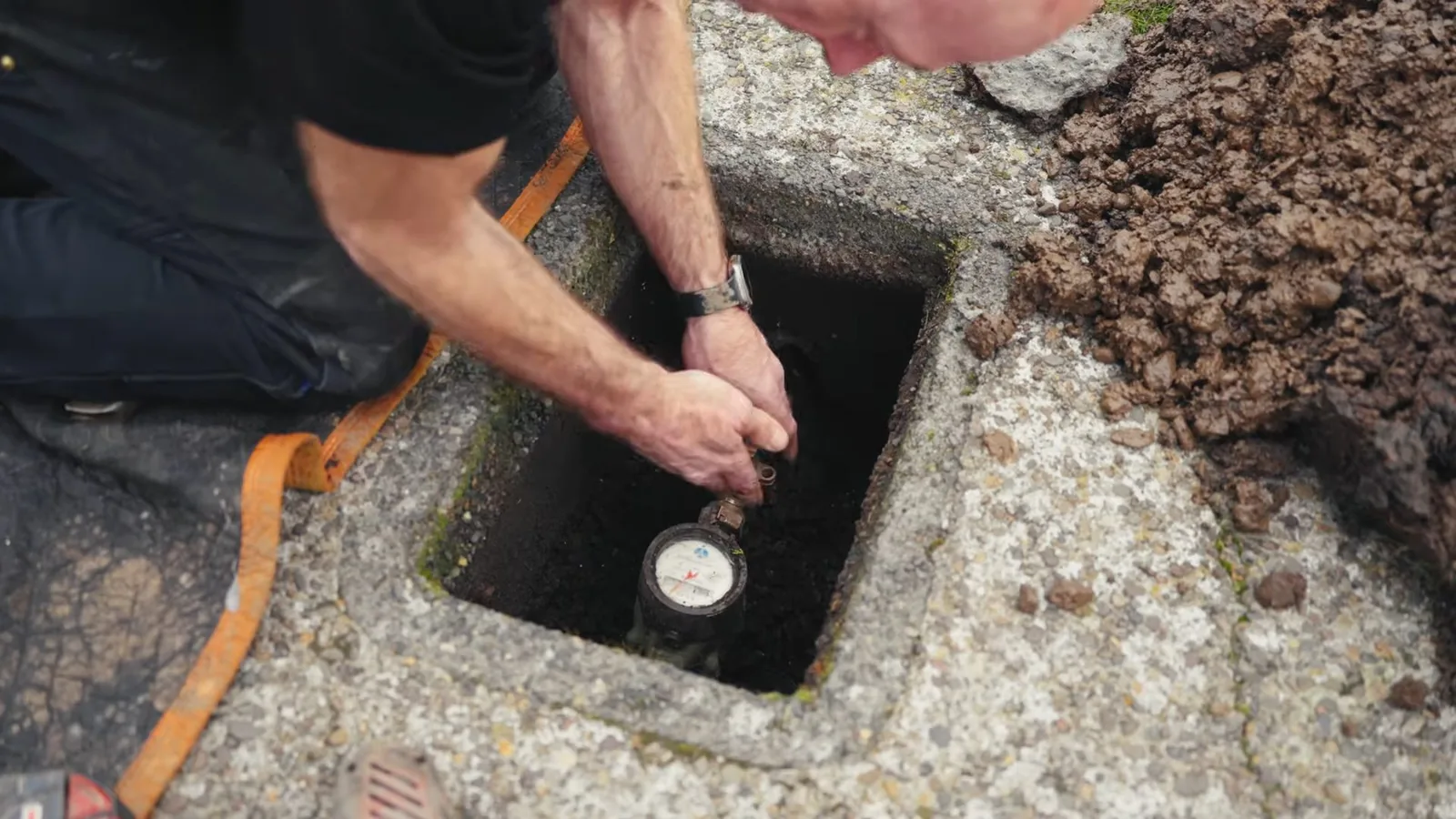
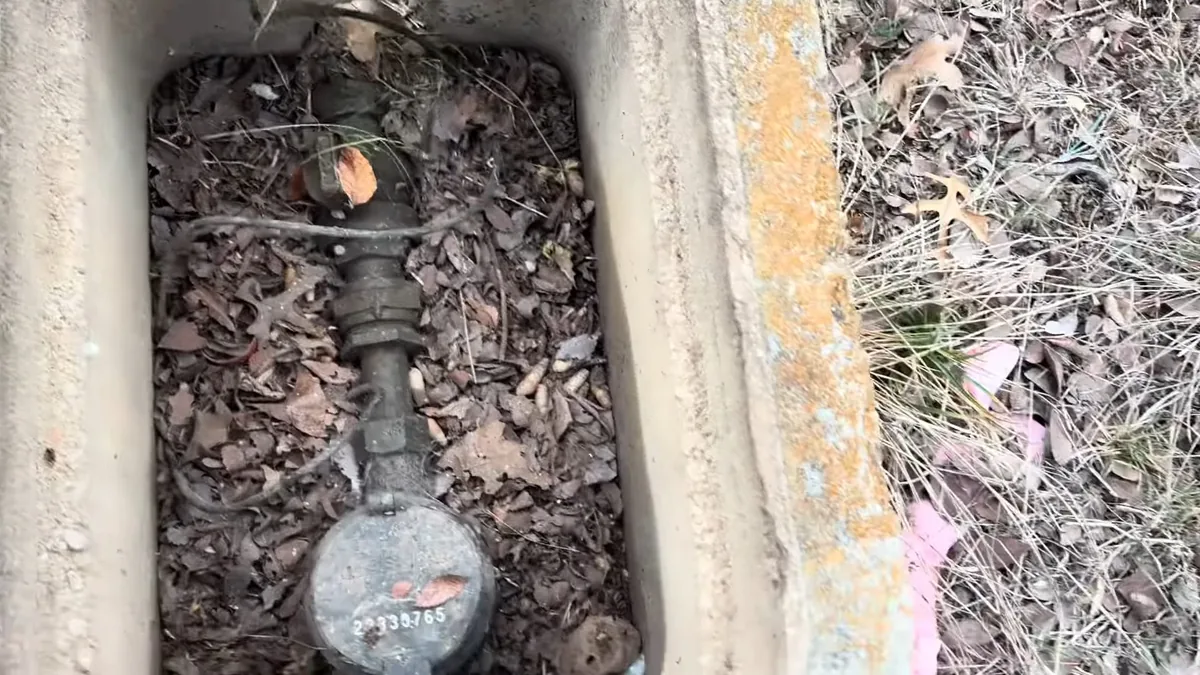
- Find the meter, usually in a box near the street, and lift the lid carefully.
- Look at the leak indicator, a small triangle or dial that turns when any water moves.
- Write down the register reading, wait fifteen minutes with nothing running, and read it again.
- If the indicator moved or the number changed, water is going somewhere, and the next question is where.
If the meter moves with the house shut off, close the main shutoff valve and watch it again. A meter that stops means the leak is inside the house. A meter that keeps moving points to the line between the meter and the house.
Tools used to locate a leak without opening walls
| Method | What it does | Best for |
|---|---|---|
| Pressure test | Isolates a section of pipe and watches whether pressure holds | Deciding which line is losing water |
| Acoustic listening | Picks up the sound of escaping water through floors and soil | Pinpointing a leak under a slab or in a yard |
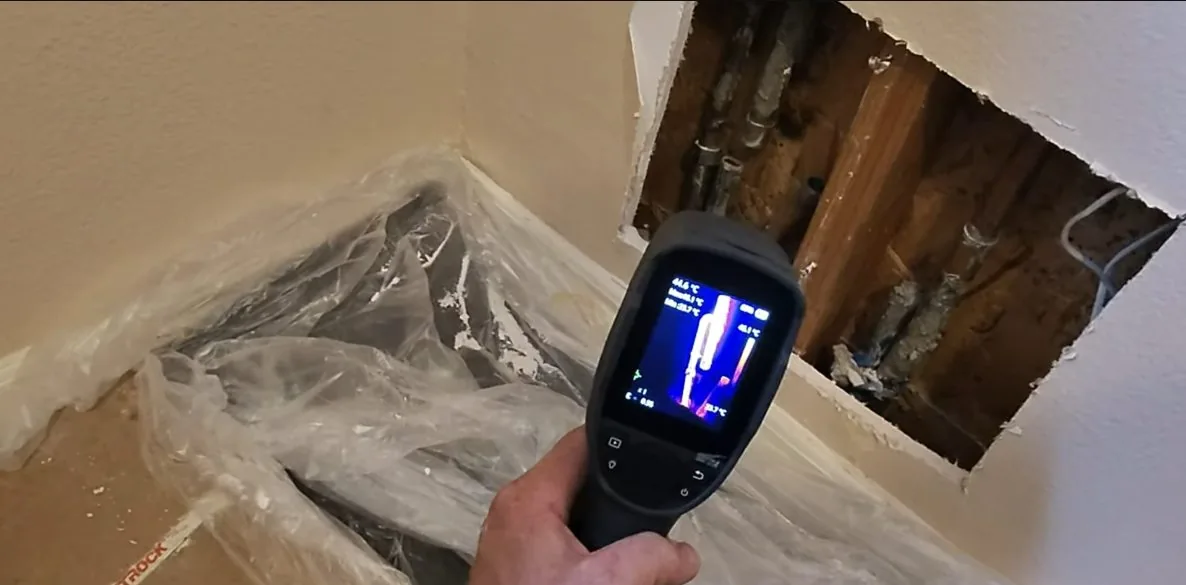
| Thermal imaging | Shows temperature differences that suggest moisture or a hot line | Walls, ceilings and radiant or hot water lines |
| Moisture meter | Measures dampness in drywall, wood and flooring | Confirming and mapping wet areas |
| Camera inspection | Looks inside drain and sewer lines | Suspected drain or sewer leaks |
No single tool finds every leak. A good locate often combines two: a pressure test to pick the line, then listening or thermal imaging to find the spot. The goal is to open as small an area as possible.
Have a leak located
Describe what you are seeing, from the meter reading to the wet spot. We will explain how the search would go before anyone arrives.
Leaks under the slab versus leaks in the walls
Slab leaks need acoustic and pressure work because there is nothing to look at. Wall leaks often show on thermal imaging as a cool streak. When the signs point to a leak under the floor, the full picture is on the leaks under the slab page.
Underground leaks between the meter and the house
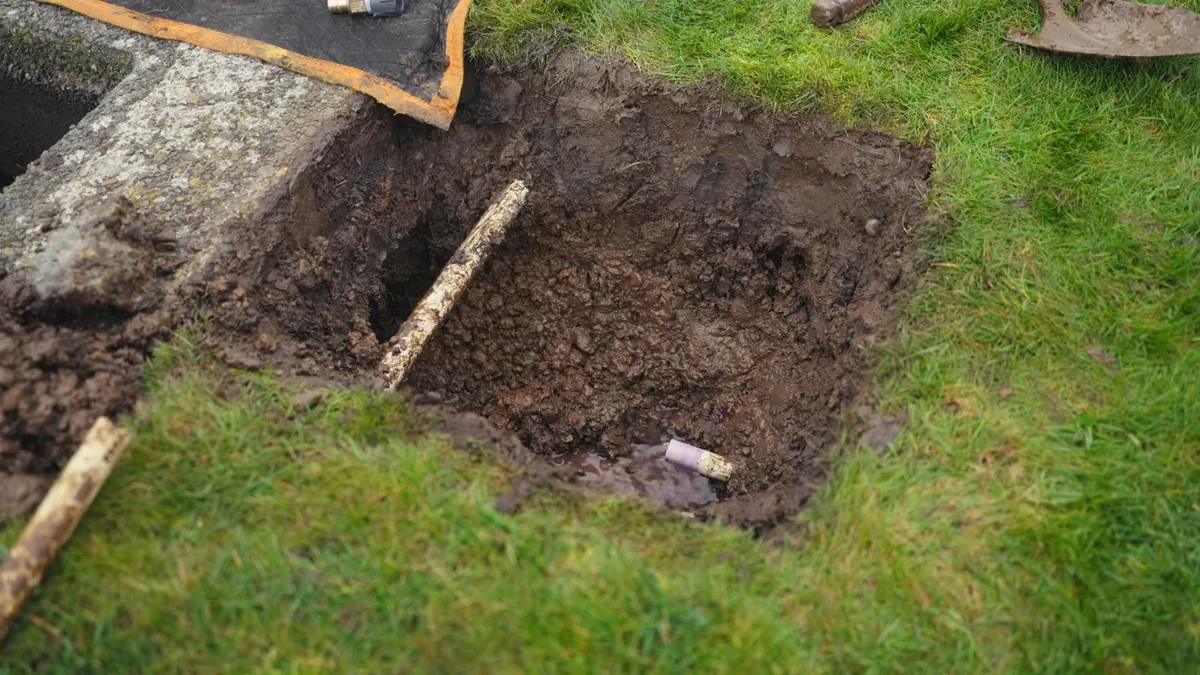
The line from the meter to the house often runs for tens of feet, buried. A leak there can soak the soil quietly for months. Signs include soft ground, a patch of lush grass, or low water pressure at every fixture.
Who owns which part of the line matters for repairs. Greer CPW provides the water service, and its office at (864) 848-5500 can tell you where its responsibility ends and yours begins. Ask before assuming that either side will pay.
Before any digging, South Carolina requires a call to 811 so buried utility lines are marked. A plumber who skips the locate call is putting a gas line, a cable or a sewer at risk.
Source: SC811 Call Before You Dig
Ceilings, walls, basements and roof leaks
A stain on a ceiling is not always a plumbing leak. Water can travel along a joist before it drops, and a roof or gutter leak looks the same as a supply line leak from below. A moisture reading and a look at the room above tell the two apart. If the stain grows only after rain, the roof or gutters are the first suspect, and that is a roofer's repair, not a plumber's.
Behind-the-wall leaks are different. They show up as a stain that grows when someone runs a shower or flushes, or a wall that stays cool and damp to the touch. A thermal scan along the wall usually shows the line. Basements add a third possibility, water coming through the foundation, which a pressure test rules in or out.
Pinhole leaks in copper pipe
A pinhole leak is a tiny hole worn through a copper line, often spraying a fine mist against a wall. The damage looks out of proportion to the size of the hole. A pressure test shows the line, and the repair is a short section of new pipe. Several pinholes in the same house suggest the pipe is wearing out, and that is the moment to ask about a whole-house repipe instead of repairing one at a time.
Pools, irrigation, commercial buildings and gas
Irrigation and pool supply lines are tested the same way as house lines: isolate the zone, watch the pressure and listen. The pool shell itself is outside plumbing. For small commercial buildings, the method is the same but the lines are longer, so the locate takes more time and the quote should say so.
A smell of gas is not a leak-detection job to try yourself. Leave the house, then call 911 or your gas utility from outside. Greer CPW supplies natural gas in its service area and answers at (864) 848-5500.
When the leak turns out to be a fixture
Many bills that look like hidden leaks are a toilet flapper that does not seal or a dripping outdoor spigot. Put a few drops of food coloring in the toilet tank, wait fifteen minutes without flushing, and see if color shows in the bowl. For a toilet that keeps running, read about fixing a running toilet before paying for a locate.
After the leak is found
Finding the leak is half the job. The plumber should tell you where it is, how it will be repaired, what has to be opened, and whether other pipes of the same age and material are likely to follow.
- Spot repair of the failed section where the rest of the line is sound
- Rerouting a line around a bad area to avoid opening a slab
- Replacing a whole run when the pipe has multiple weak points, which is where a repipe comes in
If water has already soaked insulation, drywall or flooring, drying is a separate job, covered under getting a soaked floor dry.
Questions for the plumber before a leak locate begins
- Which tools will be used, and what will each one tell us?
- Is the quote for the locate alone, or does it include the repair?
- What access will you need to floors, crawl spaces or the yard?
- Will you give me a written description of where the leak is?
Leak detection questions from Greer homeowners
How do I tell if my meter shows a leak?
Turn off every fixture and appliance, find the meter and look at the small leak indicator. If it turns, or the register reading changes after fifteen minutes with nothing running, water is moving somewhere in the system.
Can you find a leak without cutting into the wall?
Often, yes. Pressure tests, acoustic listening, thermal imaging and moisture readings narrow a leak to a small area before any opening is made. The remaining opening is then as small as the repair allows.
Who is responsible for a leak between the meter and my house?
It depends where the utility's responsibility ends. Greer CPW can explain its boundary at (864) 848-5500, and your own plumber can confirm what is on your side before work starts.
Is a high water bill always a leak?
No. A running toilet, a dripping spigot or irrigation can account for it. The meter test and a toilet dye test rule these out before you pay for a locate.