
Leaks and Pipes
Slab Leak Repair in Greer, SC: Options When the Leak Is Under the Floor
A leak in a pipe cast into or under the concrete floor is hard to see and expensive to ignore. Greer SC Plumbing Experts explains the three realistic repair paths so you can choose with the facts in front of you.
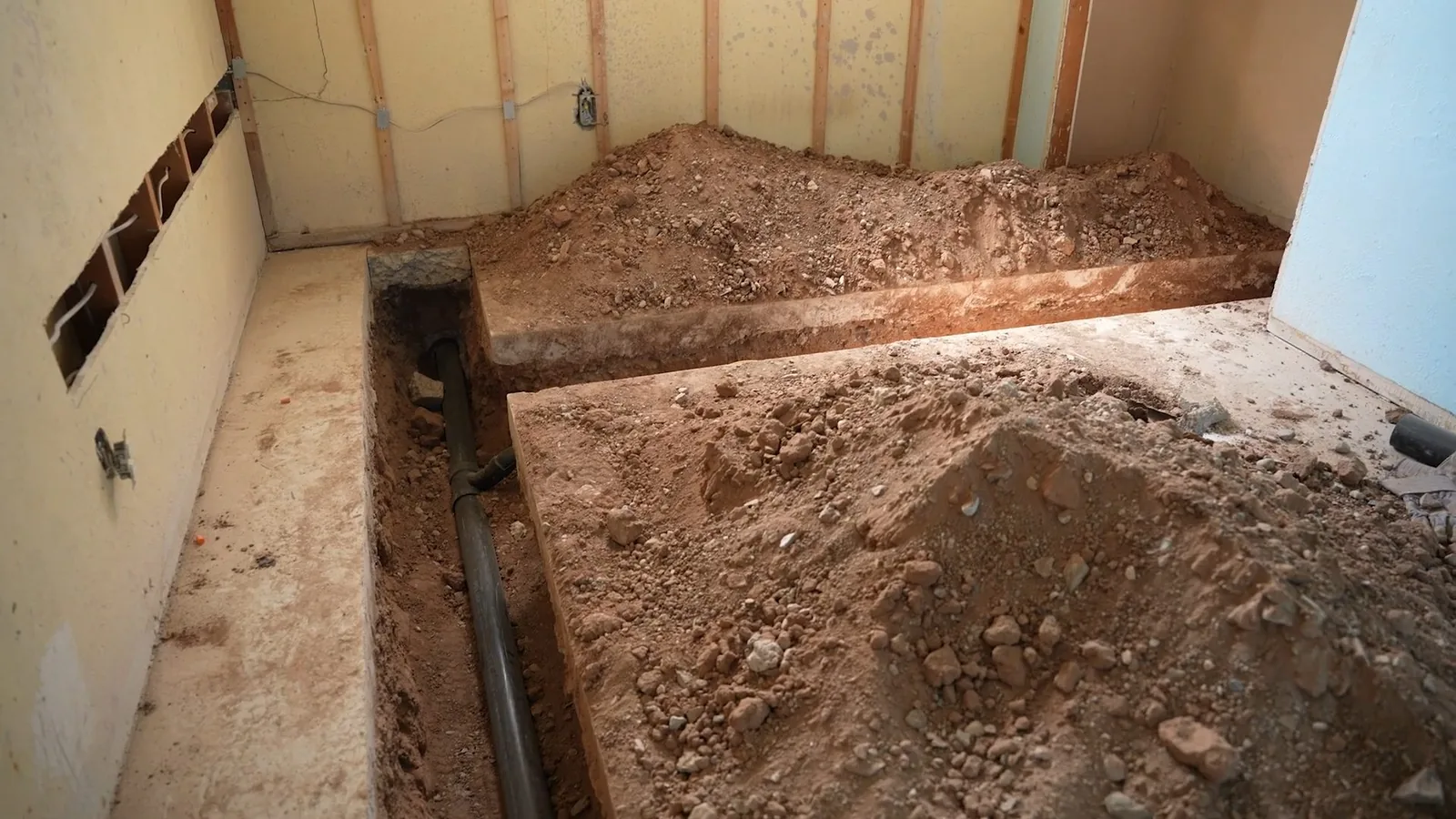
How a leak under the slab shows itself
Homes built on a concrete slab carry some of their water lines in or under the floor, and that is where this problem happens. The pipes under the floor carry water pressure all day, so a pinhole can leak for a long time before anyone notices.
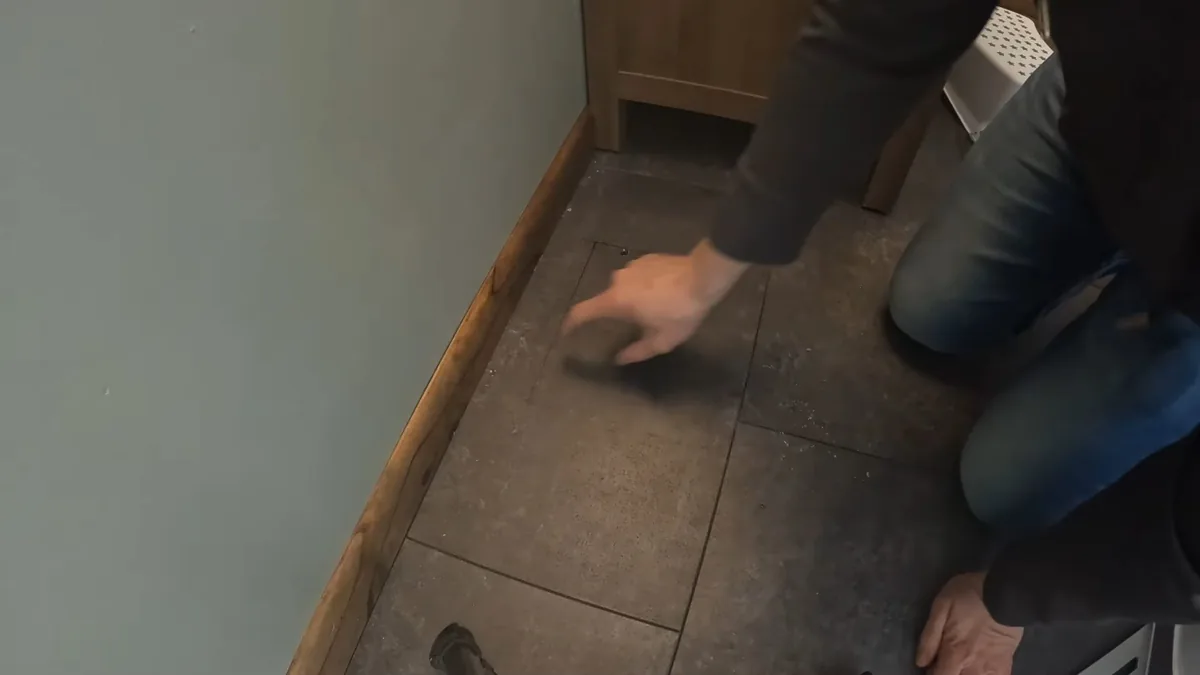
- A hot spot on the floor over a hot water line
- The sound of water running when everything is off
- A meter that moves with the house shut off
- Damp carpet, lifting laminate or a musty smell with no visible source
- Cracks or shifting in the floor that are new
If you are not sure it is a slab leak, start with the meter test and the locating methods on the finding the leak first page.
Why slab leaks happen
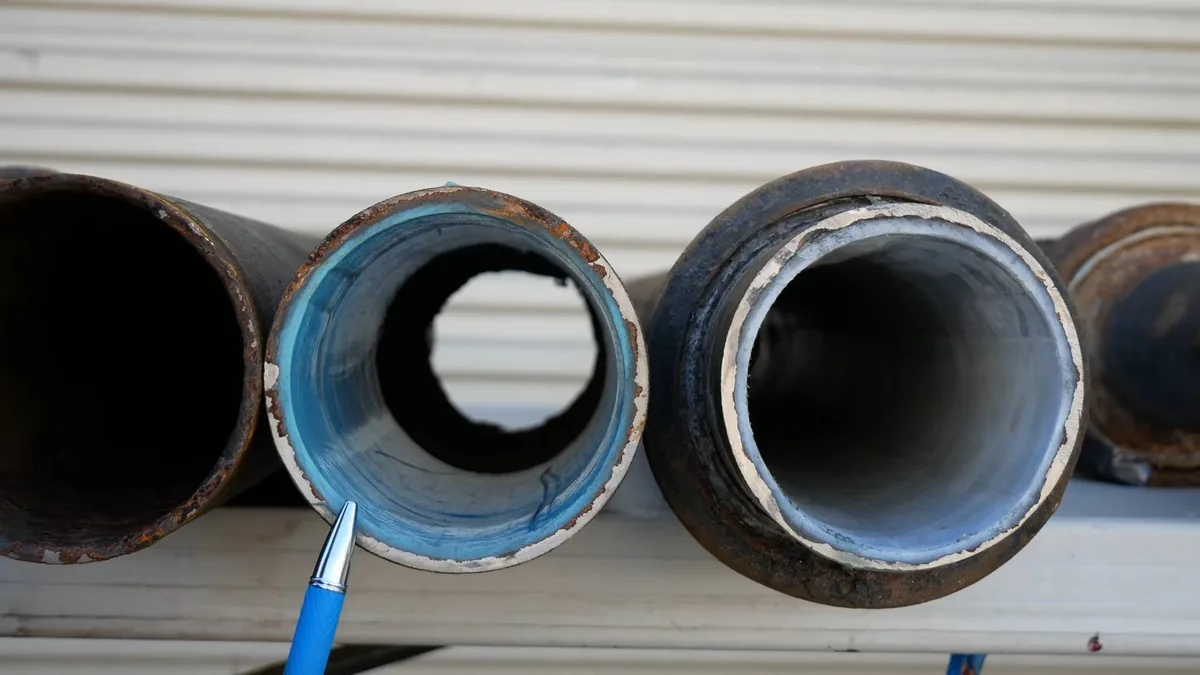
Copper lines under concrete can be worn from the outside by movement, abrasion or soil chemistry. Pipes can also corrode from the inside when water chemistry or pressure is off. Pressure that runs high speeds both.
Soil movement matters too. USDA mapping lists Cecil soils common in the Greer area as clayey and well drained with low shrink-swell, which means the ground itself is not the usual culprit. Pipe age, material and pressure tend to matter more.
Source: USDA NRCS Official Series Description: Cecil
Three repair paths and when each makes sense
| Option | What happens | Consider it when |
|---|---|---|
| Spot repair through the slab | A small section of floor is cut open and the failed pipe is fixed | One leak, easy access, and the rest of the pipe is sound |
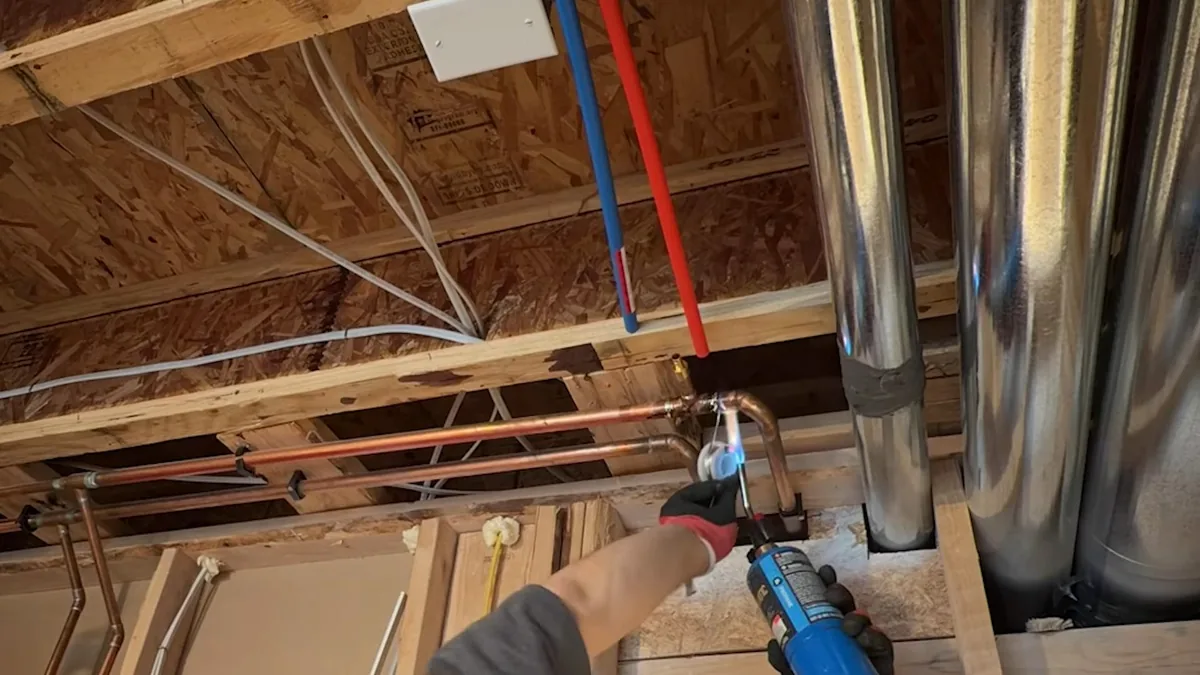
| Reroute the line | The failed run is abandoned and a new line goes through walls or the attic | Leaks keep recurring or the floor should not be opened |
| Repipe the affected lines | The old supply lines are replaced with new pipe | Multiple leaks or an aging pipe material |
Each has trade-offs. Spot repair is the least invasive in the short term but leaves the rest of the pipe in place. Rerouting avoids the slab but runs pipe through living space. Repiping addresses the cause, and the whole-house version is described on the a full house repipe page.
Talk through your slab leak options
Tell us where you think the leak is and what you have already found. We will explain the paths and what each one asks of your home.
What the permit and the code require
State law requires a license for residential plumbing work worth more than five hundred dollars, so ask any plumber for their license details before work begins. Opening a slab and rerouting a line are permit-level jobs in many places, and the office that handles your address decides the details.
Inside Greer, the City of Greer permits office can be reached at (864) 848-2175. Outside city limits, Greenville County or Spartanburg County handles permits. Confirm which applies before the floor is cut.
Source: SC LLR Residential Specialty Contractors, City of Greer planning and development permits
Does a slab leak threaten the foundation?
A small leak over a long time can wash soil out from under a slab or soften the ground it sits on. That is the reason a slab leak is worth finding early. A leak found quickly rarely does more than damage flooring. A leak left for months can move the soil under the slab, and cracks in walls, doors that stick and floors that slope are signs to bring up with the plumber and a structural professional.
Local construction details matter here too. Post-tension slabs, which contain tensioned cables, need special care to cut, and the plumber should ask whether your slab is one before any cutting starts. An older house with a different slab type has its own limits, and a good plumber will tell you what they have found, not guess.
Trenchless rerouting under a slab
Where a line must be abandoned, a new line can sometimes be fed through the old path with no trench and little cutting. Access is the issue. The no-dig pipe lining page explains the method for drain and sewer lines, and the water supply version follows the same logic but is limited by pipe size and bends.
Pipe lining as a fourth option
Some plumbers offer to coat the inside of a water line with a lining so the pipe does not have to be replaced. It can suit a pipe that is sound on the outside but worn within. It does not repair a pipe that has failed from the outside, and it should be quoted separately.
Slab leak repair step by step: shutoff, pressure test, patch
- Water is shut off and the leak is located and confirmed.
- The chosen repair is carried out, with the floor opened only as far as needed.
- The line is pressure tested before anything is closed up.
- The floor is patched, though matching flooring may be a separate job.
- The meter is read again with fixtures off to confirm the leak is gone.
If water has soaked flooring or drywall, drying is a separate step. The drying out wet flooring page explains what that covers.
Questions to ask before approving a slab repair
- How was the leak located, and how confident are you in the spot?
- How big will the opening be, and who repairs the floor afterward?
- Why this option over the other two?
- Is the permit included, and who pulls it?
- What is the plan if a second leak shows up?
A plumber who answers these plainly is a plumber you can ask the next question. Get the answers in writing, with the location of the leak, the method of repair and what is included for the floor.
Keep in mind that the price of a slab repair is driven by access, not just by the pipe. A leak under a hallway with tile on top is a different job from one under bare concrete in a garage, so the quote should say what finish is being removed and who puts it back.
If you are weighing a repair on an older house, ask about the age and material of the lines you are not touching. Repairing one run while the rest is the same age sometimes means a second visit, and it is better to know that before the floor is closed.
Slab leak questions from Greer homeowners
How do I know if I have a slab leak?
Common signs are a warm spot on the floor, the sound of running water when everything is off, and a meter that moves with the house shut down. A locate confirms it before any floor is cut.
Do I have to cut the floor to repair a slab leak?
Not always. A reroute sends a new line through walls or the attic, so the slab stays closed. It is a trade-off between floor repair and running pipe through living space.
Will my insurance cover a slab leak?
That depends on the policy, and policies differ on what they cover for sudden versus long-term leaks. Ask your insurer before work begins, and keep photos and the plumber's written description.
Can pipe lining fix a slab leak?
Sometimes. It suits a pipe that is worn on the inside, not one damaged from outside. Ask for it as a separate line item so you can compare it with spot repair and rerouting.