
Fixtures and Kitchen
Faucet and Sink Repair in Greer, SC for Drips, Weak Flow and Leaks Under the Sink
A dripping faucet wastes water and a leak under the sink ruins a cabinet, yet most of these problems are small parts. Greer SC Plumbing Experts finds the failed part first, then says whether to repair the fixture or replace it.
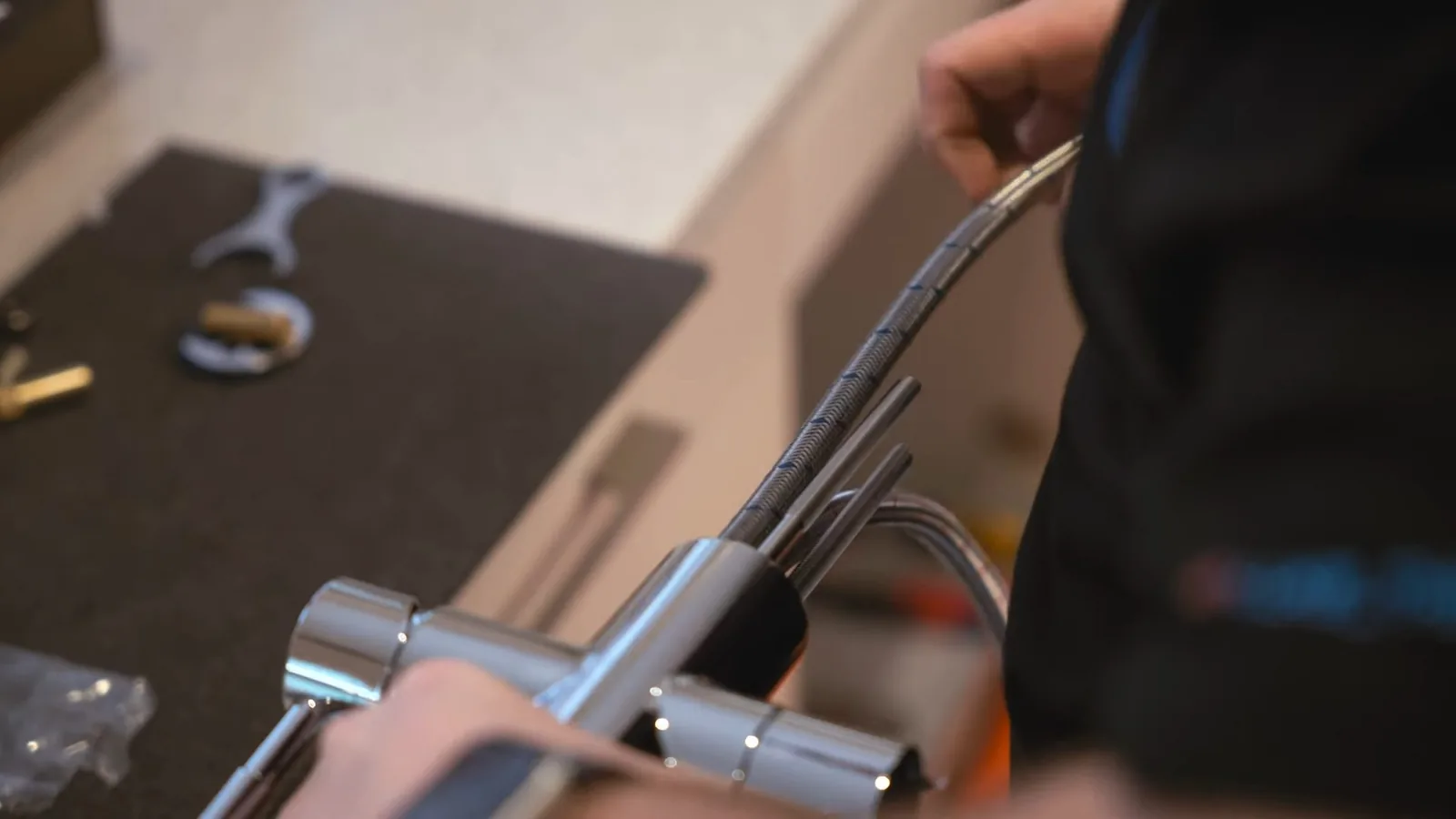
Where the water is coming from decides the repair
| What you see | Likely cause | First check | Usual repair |
|---|---|---|---|
| Drip from the spout | A worn cartridge, washer or seat | Turn the faucet off firmly and watch the spout | Replace the cartridge or washer |
| Water around the handle | A worn O-ring or loose packing | Look for water running down from under the handle | Replace the O-ring or tighten the packing |
| Weak flow | A clogged aerator or a partly closed supply valve | Unscrew the aerator and rinse it | Clean the aerator, open the valve fully |
| Water under the sink | A supply line, a shutoff valve or the drain trap | Dry everything and watch each joint | Replace the failed line, valve or trap seal |
| Cold in the wrong place | A faulty cartridge or a crossed supply | Test each handle separately | Replace the cartridge, or have the supplies checked |
Most of these fixes are inexpensive. The expense comes when a small leak runs for months and soaks the cabinet floor.
Dripping faucets, step by step
- Turn off the water at the shutoff valves under the sink, and open the faucet to relieve pressure.
- Plug the drain so no small part is lost, then remove the handle.
- Pull out the cartridge or the stem, and note its shape and size.
- Replace the cartridge, washer or seat with the exact matching part.
- Reassemble, turn the water back on slowly and check for drips.
Parts differ widely between brands, and an incorrect cartridge makes the drip worse. If the faucet is an older model with parts that are no longer sold, replacement is the better answer.
Leaks under the sink
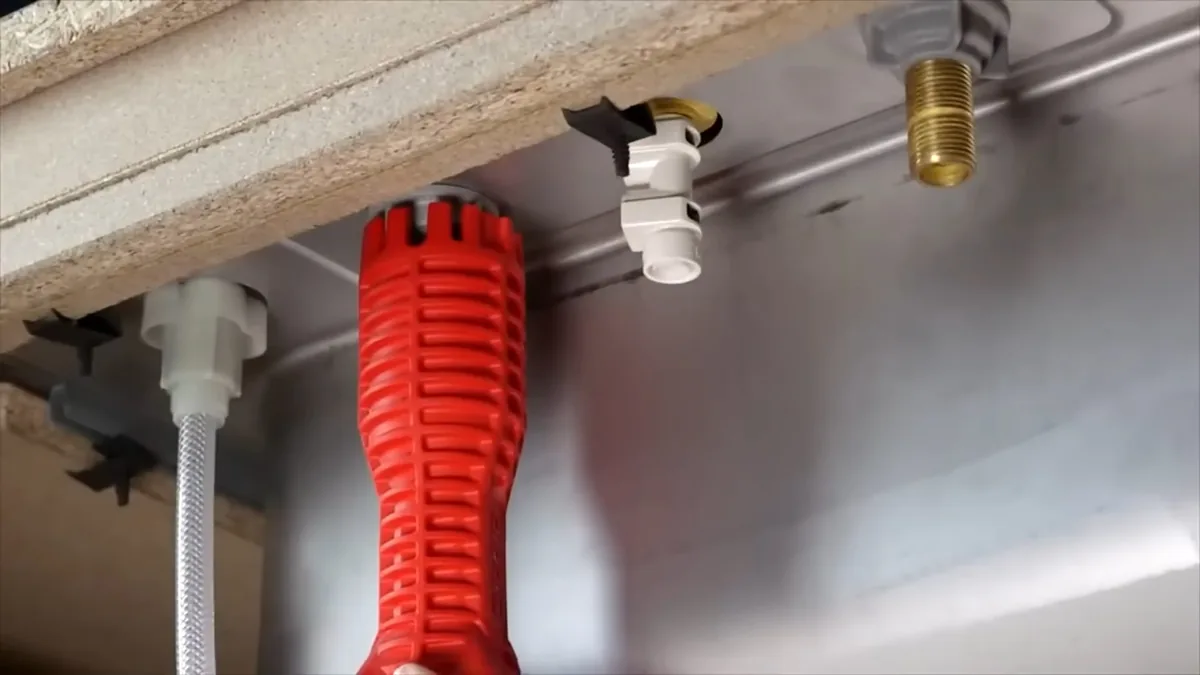
The area under a sink is where a leak hides longest. A towel under the trap, a flashlight and a dry hand along each joint usually locate it. Supply lines on older sinks are often braided or plastic, and they fail without warning.
- Drain trap: a loose slip nut or a cracked section of trap.
- Supply line: a worn braided hose or a loose coupling nut.
- Shutoff valve: a stem that weeps when turned.
- Faucet base: water seeping from the deck above and running down.
Replacing a supply line takes minutes and is worth doing when the fixture is old. If you can see that the cabinet floor is already swollen or stained, the leak has been running a while, and the guide on tracing a slow leak explains how to confirm that nothing else is wet.
Tell a plumber what is leaking
Say where the water shows up and what kind of faucet or sink it is. We will say whether it sounds like a part, a connection or a fixture to replace.
Installing a new faucet or sink
A new faucet is usually a same-visit job when the shutoff valves under the sink work. A new sink is bigger, because it changes the drain, the countertop cutout and sometimes the supply lines.
- Shutoff valves that turn smoothly and do not weep
- Fresh supply lines sized for the new faucet
- A drain and trap that line up with the new sink
- A sealed rim or mount so no water reaches the cabinet
- A test run with every joint dry before the cabinet is closed
Bathroom vanities, kitchen sinks, laundry sinks and utility sinks all follow the same steps with different parts. If you are replacing a fixture because of a bigger plumbing problem, ask the plumber whether the supply lines behind it are also worn, which leads into the question of replacing old supply piping.
Shower valves and bathtub spouts
A shower that drips from the head after you turn it off has a worn cartridge, and a tub spout that sprays from the diverter needs a new diverter. These are repairs behind the trim plate. Water that appears on the other side of the wall, or a stain on the ceiling below, means the leak is in the supply or the drain, not in the trim.
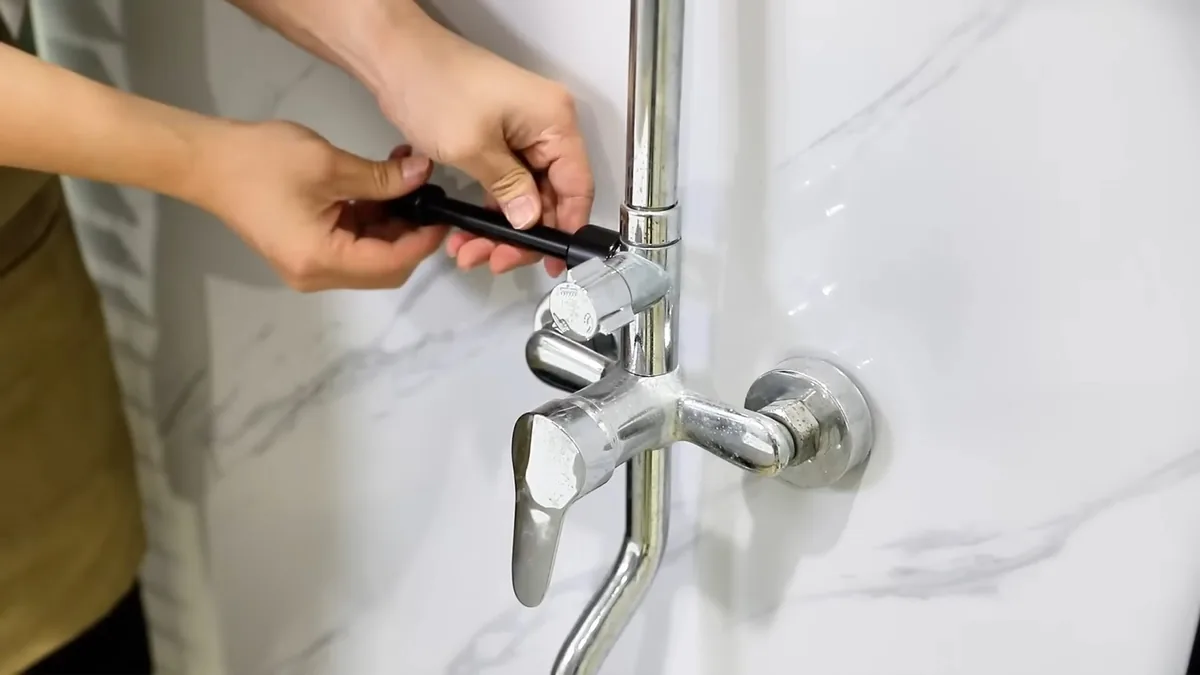
Do not caulk a leaking shower valve in the hope it will seal. The water keeps running behind the wall, and the damage grows where nobody sees it.
Outdoor faucets and hose bibs in Upstate winters
An outdoor faucet that drips only when the hose is attached usually needs a new washer or packing. One that freezes can split inside the wall behind it, and the damage shows when the spigot is turned back on in spring.
- Disconnect hoses and drain the line before a hard freeze.
- Close the interior shutoff, where there is one, and open the outdoor spigot to drain it.
- Cover or insulate the spigot on the coldest nights.
- Check the wall and ceiling inside after the first use in spring.
Greenville Water advises insulating exposed pipes in crawl spaces, attics and basements, and the same advice applies to outdoor lines.
Source: Greenville Water: protecting pipes in cold weather
Soft water and what it does to fixtures
Greer CPW's 2025 report lists average hardness at 34.86 ppm, about 2 grains per gallon, which is soft. Soft water leaves less scale in aerators and on fixtures than hard water would, so a weak flow in Greer is more often a debris problem or a supply valve than mineral buildup. If someone sells a softener to fix fixtures, ask for a hardness reading at your tap first and read what softeners can do.
Faucet and sink questions from Greer homeowners
Why is my faucet dripping?
A drip usually means a worn cartridge, washer or valve seat inside the faucet. Replacing that part with the exact one for your model stops it. On an old faucet whose parts are no longer sold, a new faucet is the simpler fix.
What causes low water pressure at one faucet?
A clogged aerator is the most common cause at a single fixture, followed by a partly closed shutoff valve. If every fixture is weak, the cause is elsewhere in the system and needs a different check.
Can I replace a faucet myself?
A confident homeowner can, if the shutoff valves work. Plan for a leak test afterward, because a poorly seated supply line is the usual source of a later cabinet leak.
Why does my outdoor faucet leak inside the wall?
Water that freezes in the line can split the pipe behind the spigot. Disconnect hoses and drain the line before freezing weather, and check the wall inside after the first use in spring.