
Water Quality and Damage
Water Damage Restoration in Greer, SC: Getting the Water Out and the Building Dry
Once a pipe has burst or a drain has backed up, the plumbing is only half of the problem, because the water that came out is still in the building. Greer SC Plumbing Experts handles the removal and drying side: pulling out standing water, opening wet materials and drying the structure.
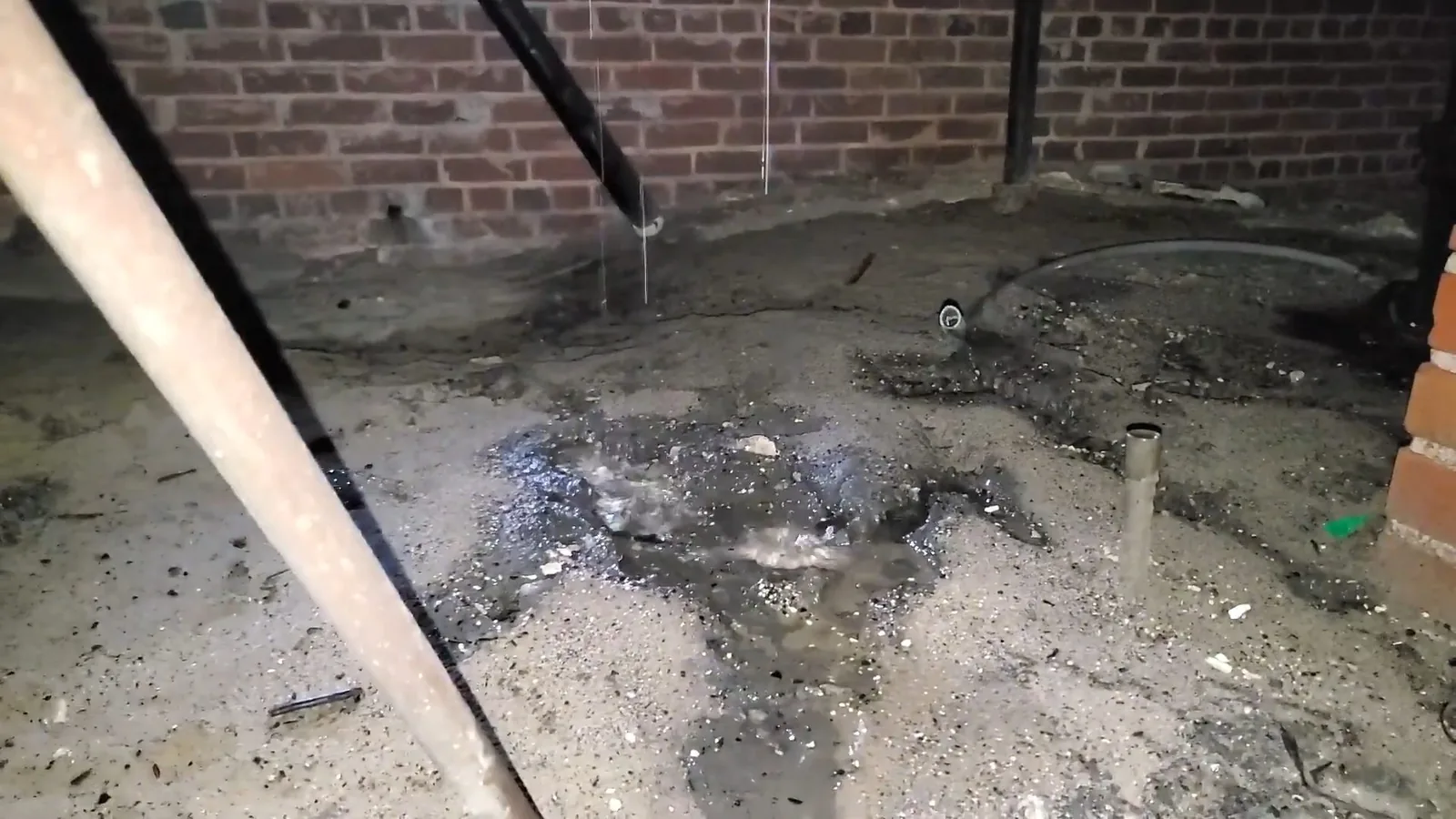
The first hour after water gets into the house
What you do before anyone arrives can limit how far the water spreads. These steps apply to a burst pipe, an overflowing fixture or a leak that has soaked a floor or ceiling.
- Stop the source. Close the main water valve, or the fixture shutoff, if you can reach it safely.
- Keep clear of electricity. Do not stand in water near outlets, cords or a panel. If water has reached the panel, stay out of the room and call the electric utility or 911.
- Take photos and video of the damage before you move anything, for your insurer.
- Lift small items, rugs and furniture legs out of the water. Leave heavy furniture where it is.
- Open cabinet doors and, where it is safe, lift the lowest layer of wet contents so air can reach it.
- Call and describe where the water is, how long it has been there and what the floor and walls are made of.
If you cannot shut off the water at the house, Greer CPW can be reached at (864) 848-5500 about the street side. Stopping the source comes first, and the repair that follows is described on the stopping burst water page.
Water that came from a sewer backup, a toilet overflow or flooding from outside can carry germs. Keep children and pets out, wear gloves and boots, and do not try to dry those materials yourself.
Clean, gray and contaminated water are handled differently
| Kind of water | Typical sources | What it means for the cleanup |
|---|---|---|
| Clean water | A burst supply line, a leaking faucet or a failed water heater | Extraction and drying are usually enough if started quickly |
| Gray water | A washing machine or dishwasher overflow, a sink drain | Extraction and drying, with more of the wet materials removed |
| Contaminated water | Sewage backup, toilet overflow or flood water from outside | Porous materials are usually removed, and the area must be cleaned before drying |
Clean water becomes gray, and gray can become contaminated, the longer it sits. That is one reason speed matters, and why a plumber should tell you which kind of water you are dealing with before anyone sets up equipment.
How water removal and drying work, step by step
- Moisture mapping: meters and a thermal camera show how far the water has traveled, which is often further than it looks.
- Extraction: standing water is pulled from floors and carpet with pumps and extractors.
- Removal of what cannot be saved: soaked padding, wet insulation and drywall that has been wet too long.
- Drying: air movers push air across surfaces and dehumidifiers pull moisture out of the air.
- Monitoring: moisture readings are taken again on following days until the materials reach dry readings.
- Equipment comes out only when the readings say the structure is dry, not on a set number of days.
Drying is a measured job, not a guess. A floor that feels dry on top can still hold water in the subfloor, and a wall that looks fine can be wet inside the cavity. Ask to see the readings.
Talk to us about water removal and drying
Tell us where the water came from, how long it has been there and which rooms are wet. We will explain what extraction and drying would involve.
Carpet, wood floors, walls and ceilings after a water loss
| Material | What usually happens | Why |
|---|---|---|
| Carpet | Dried in place if the water was clean and caught early; the pad is often removed | Pad holds water and dries slowly |
| Hardwood and wood flooring | Water is extracted and drying is controlled; boards may cup or lift | Wood swells as it takes on moisture and may need replacing |
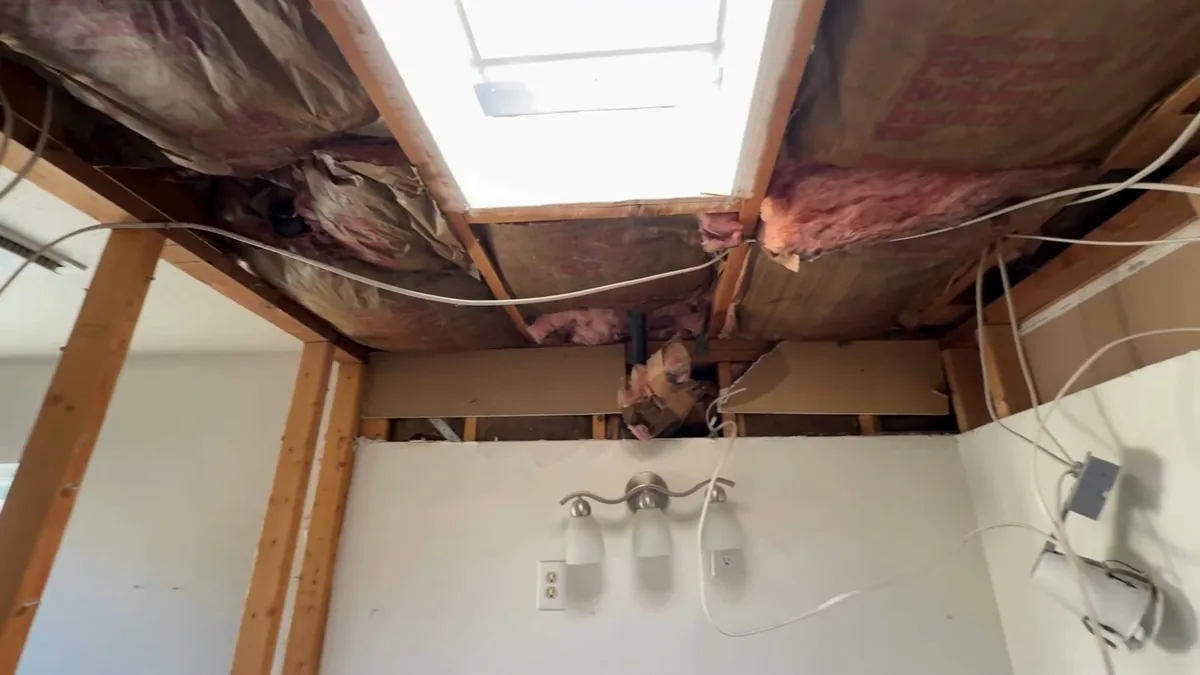
| Drywall and ceilings | Wet sections are cut out; a ceiling that holds water may be opened to release it | Drywall softens when wet and holds moisture in the cavity |
| Insulation | Wet batts are usually removed | Wet insulation holds water against framing |
| Framing and subfloor | Dried in place and checked with a meter | Structural wood can be dried if reached in time |
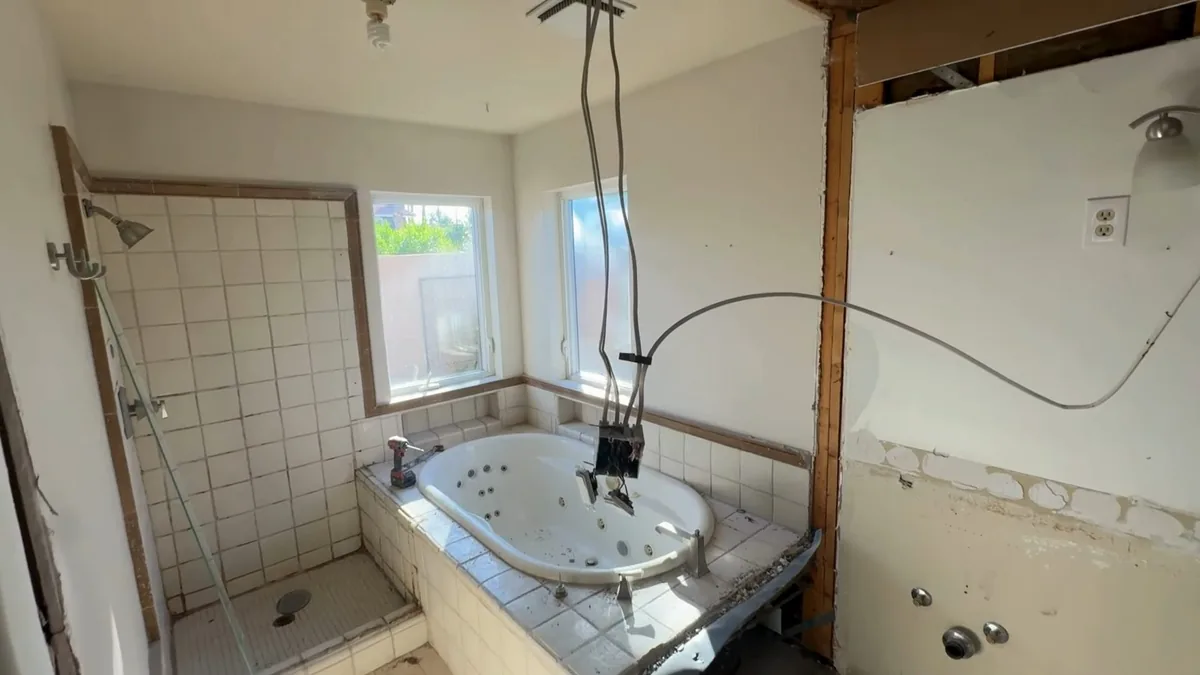
A stain on a ceiling means water has collected above it. Before anyone patches the stain, the source has to be found, and the locating the source page explains how a hidden leak is located.
Why the first 24 to 48 hours matter for mold
The EPA's guidance on water damage says that responding within 24 to 48 hours is the way to avoid the need for mold remediation, because quick action comes before growth starts. Its guidance for carpet and backing is to dry within the same window.
Source: EPA: Mold Remediation in Schools and Commercial Buildings, Chapter 4
This page covers water removal and drying. If mold is already visible or smells present after drying, that is a separate assessment and a separate trade, and the sooner the area is dry, the less there is to deal with. We do not promise that drying will prevent mold, only that it removes the moisture mold needs.
Water from storms and outside the house
Rain driven under a door, groundwater through a basement wall and flood water from outside carry soil and contaminants. The cleanup is closer to the contaminated column of the table above, and the water should be treated as unsafe to touch. Roof leaks and ice at the eaves are a roofer's repair, not a plumber's, although the wet ceiling below them is a drying job.
Commercial and multi-unit buildings
The steps are the same in a small shop, an office or an apartment building. The differences are scale and access. Water can travel to the unit below, so the neighbor, the property manager and the insurer may all need to be told on the same day.
Insurance claims after water damage: photos, readings, receipts
- Photograph and video the damage before it is moved.
- Keep the damaged pipe or fixture part if a plumber removes it.
- Ask for the moisture readings and a written list of what was removed.
- Keep receipts for emergency expenses.
- Ask your insurer what it requires before work begins, because policies differ.
We do not promise what your insurance will cover. A policy may treat a sudden burst differently from a slow leak, so read it, or ask the insurer, before work starts.
After the drying: repairs and rebuilding
Once the structure is dry, the plumbing has to be fixed if it was not already, and the building has to be put back. Drywall, flooring and painting are rebuild work, and they come after the readings confirm the structure is dry. A leak that drove the damage in the first place may call for a replacing leaking pipes, and a backup may need the fixing the sewer line page.
Questions to ask a drying crew
- What kind of water is this, and how do you know?
- What are you removing, and what are you saving?
- How will you measure when the structure is dry?
- Will you give me the readings in writing?
- What happens if the readings do not come down?
Water damage questions from Greer homeowners
What should I do first when water gets into my house?
Stop the source by closing the main valve or the fixture shutoff, stay out of water near electrical equipment, photograph the damage and call. Lift small items out of the water but leave heavy furniture alone.
How long do I have before mold becomes a problem?
The EPA's guidance on water damage points to responding within 24 to 48 hours to avoid the need for mold remediation. The sooner wet materials are removed or dried, the less moisture is left for mold.
Can wet carpet or hardwood be saved?
Sometimes. Carpet can often be dried in place when the water was clean and caught early, although the pad is often removed. Hardwood can cup or lift, and boards may need replacing even after careful drying.
Does your service include mold remediation and rebuilding?
No. This service is water removal and drying. Mold assessment and remediation are separate work, and drywall, flooring and painting are rebuild work that comes after the structure reads dry.