
Drains and Sewer Lines
Hydro Jetting in Greer, SC for Grease, Roots and Clogs That Keep Returning
When the same line clogs again a few weeks after it was snaked, the blockage is usually coating the pipe wall instead of sitting in the middle of it. Hydro jetting washes that coating away with high-pressure water. Greer SC Plumbing Experts uses it where it fits and says so when it does not.
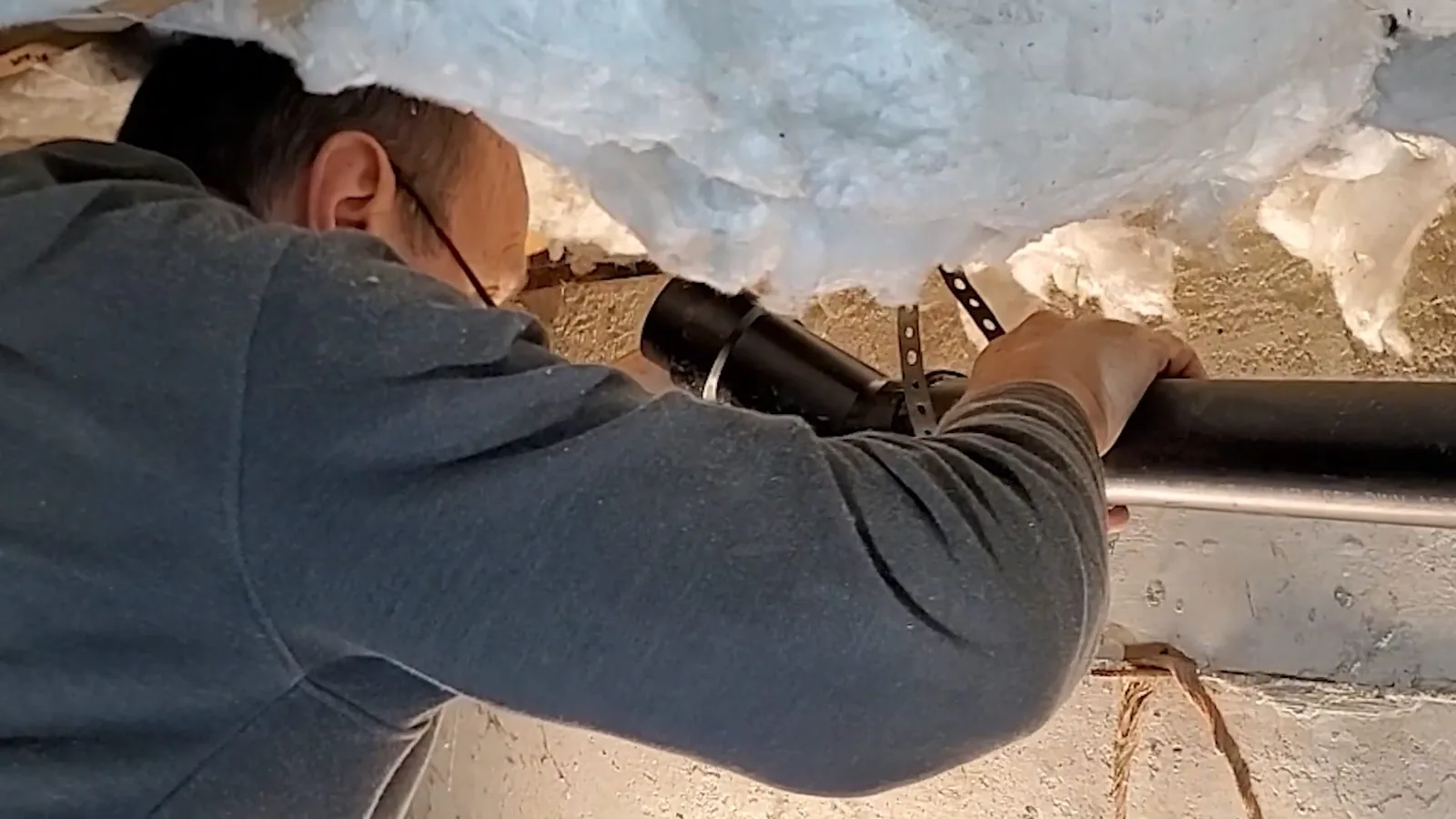
Is hydro jetting better than snaking?
Neither tool is better in general. They do different jobs. A cable cuts or pulls out the blockage it reaches and leaves the film that built up on the pipe wall. A jetter drives water at high pressure through a nozzle that pulls itself forward and rakes backward, scouring that film off the wall.
| Question | Cable (snake) | Hydro jetting |
|---|---|---|
| Best at | A single clump of hair, paper or a stuck object | Grease, soap and sludge lining the pipe wall |
| Roots | Cuts a path through; roots regrow from the cut | Cuts and washes out the debris; roots still return if a joint stays open |
| Leaves behind | A narrower channel inside the buildup | A clean wall, when the pipe is sound |
| Poor fit | Heavy grease coating | Broken, collapsed or badly offset pipe |
| Afterward | Flow test | Camera look to confirm the wall and spot defects |
That is why a line that clogs again and again after snaking is the classic jetting case.
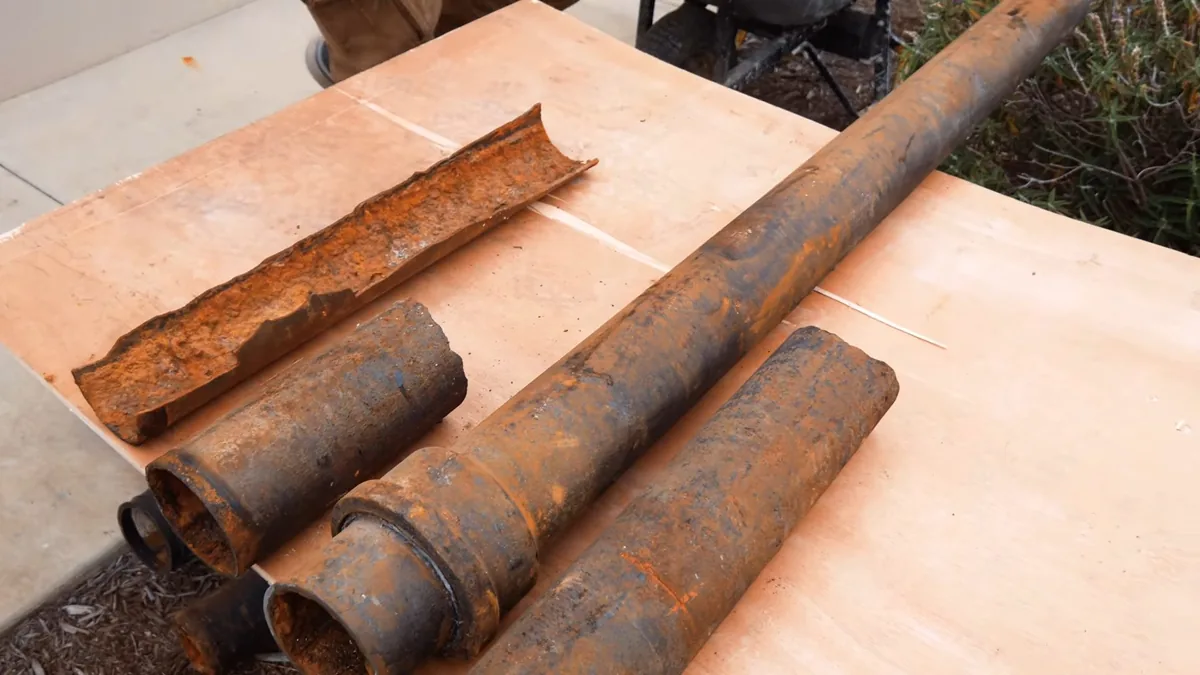
Jobs where jetting earns its place
Grease in kitchen and main lines
Cooking fat cools inside the pipe and sticks, layer after layer. A cable opens a hole through it, then the layers close again. Jetting removes the layers, which is the difference between a clog that returns in weeks and a line that stays clear.
Roots in a lateral
Fine roots enter where joints have opened and thicken into a mat. Jetting clears the mat. It does not close the joint, so a camera look afterward matters, because a line with an open joint will take roots again.
Soap film and sludge in older lines
Greer's water is soft, about 2 grains per gallon in Greer CPW's 2025 report, so hard-mineral scale is a less likely reason for a narrowing line than grease, soap film or roots. If anyone blames hard water for a clogged drain line, ask what they saw on camera.
Source: Greer CPW 2025 Water Quality Report
When jetting is the wrong tool
High pressure needs a sound pipe. A line that is cracked, collapsed, badly offset or separated at a joint can be made worse, and water can wash soil out from around the break. A camera look before jetting is how the plumber knows.
These situations call for the camera first:
- A clog that started suddenly after years without trouble
- A line with an earlier repair of unknown quality
- Old pipe of unknown material
- Sewage backups that began after heavy rain
If the camera shows damage, the plan changes from cleaning to repair. That conversation belongs with sewer camera inspection and repair or, where digging is the obstacle, trenchless options.
What happens during a jetting visit
The plumber runs a camera first, then feeds a hose and nozzle in through a cleanout. Forward jets open a path, and rear-facing jets pull the hose along while scouring the wall on the way back. Water carries the debris down the line toward the main, so the work moves from the access point toward the sewer.
Expect the visit to take longer than a simple snaking, because the plumber makes more than one pass and checks the result with the camera. Tell the plumber about plants, fixtures or a driveway near the cleanout so the work area is protected.
Find out if your line is a jetting candidate
Describe how often the clog returns and which fixtures are affected. We will tell you whether jetting sounds right or whether the line needs a camera look first.
What you should see on camera before and after
- Footage of the line before any work, with the distance from the access point to each defect noted.
- A note of the jetting pass: which line, from which access point, and what came out.
- Footage of the same stretch afterward, so you can compare the pipe wall.
- A list of any defects the camera found, such as offsets, cracks or root entry points.
Ask for the footage. A second plumber can read what the first one saw, which helps if the camera turns up a repair you want a second opinion on.
Getting the house ready for a jetting visit
- Find the cleanout, outside near the foundation or inside a basement or crawl space, and clear a path to it.
- Stop running water in the house when the plumber arrives.
- Tell the plumber about earlier cleanings and any past repairs on the line.
- Mention whether the line is shared with a neighbor.
Jetting does not normally require digging, so the 811 locate request that applies to excavation does not come up. If the camera finds damage that has to be dug out, ask whether the SC811 request has been made before anyone breaks ground.
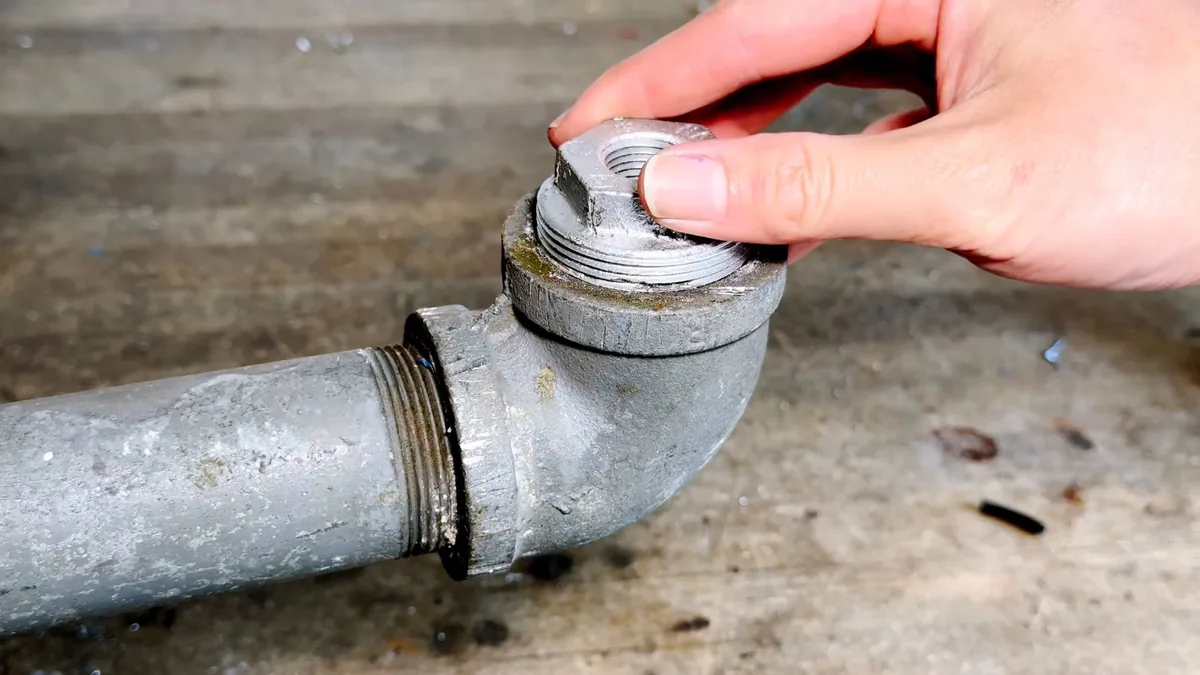
How jetting sits next to drain cleaning and sewer repair
Drain cleaning and jetting overlap in what they clear, which is why people ask about hydro jetting for drain cleaning jobs that a cable keeps failing. The difference is where the buildup sits and how thick it is.
Interior clogs in a single sink or tub are routine drain clearing, not jetting work. Jetting is a pipe-wall and main-line service. When the line itself is damaged, neither one is the answer and the job moves to repair.
Hydro jetting questions from Greer homeowners
Is hydro jetting better than snaking?
It depends on the blockage. A cable clears a single clump and leaves the film on the pipe wall. Jetting scours grease, soap and sludge off the wall. A line that clogs again within weeks of being snaked is usually a jetting case, as long as a camera shows the pipe is sound.
Will hydro jetting damage an old pipe?
It can if the pipe is already cracked, collapsed or separated at a joint, which is why the camera comes first. A sound pipe tolerates the pressure used for the job, and the plumber should set it to suit the pipe.
How do I know my line needs jetting instead of another snaking?
Look at the pattern. A clog that returns within weeks, grease in the kitchen line and a camera view of a coated pipe wall all point to jetting. A one-off clog after a dropped object does not.
Does jetting get rid of tree roots for good?
No. It clears the roots that are in the line, but if the joint that let them in stays open they grow back. A camera look afterward shows whether the joint needs repair or lining.