
Fixtures and Kitchen
Toilet Repair in Greer, SC for Running Tanks, Clogs, Rocking Bowls and New Installs
A toilet that runs all night, clogs twice a week or rocks on the floor is telling you which part has failed. Greer SC Plumbing Experts reads those signs first, then repairs the toilet or installs a new one.
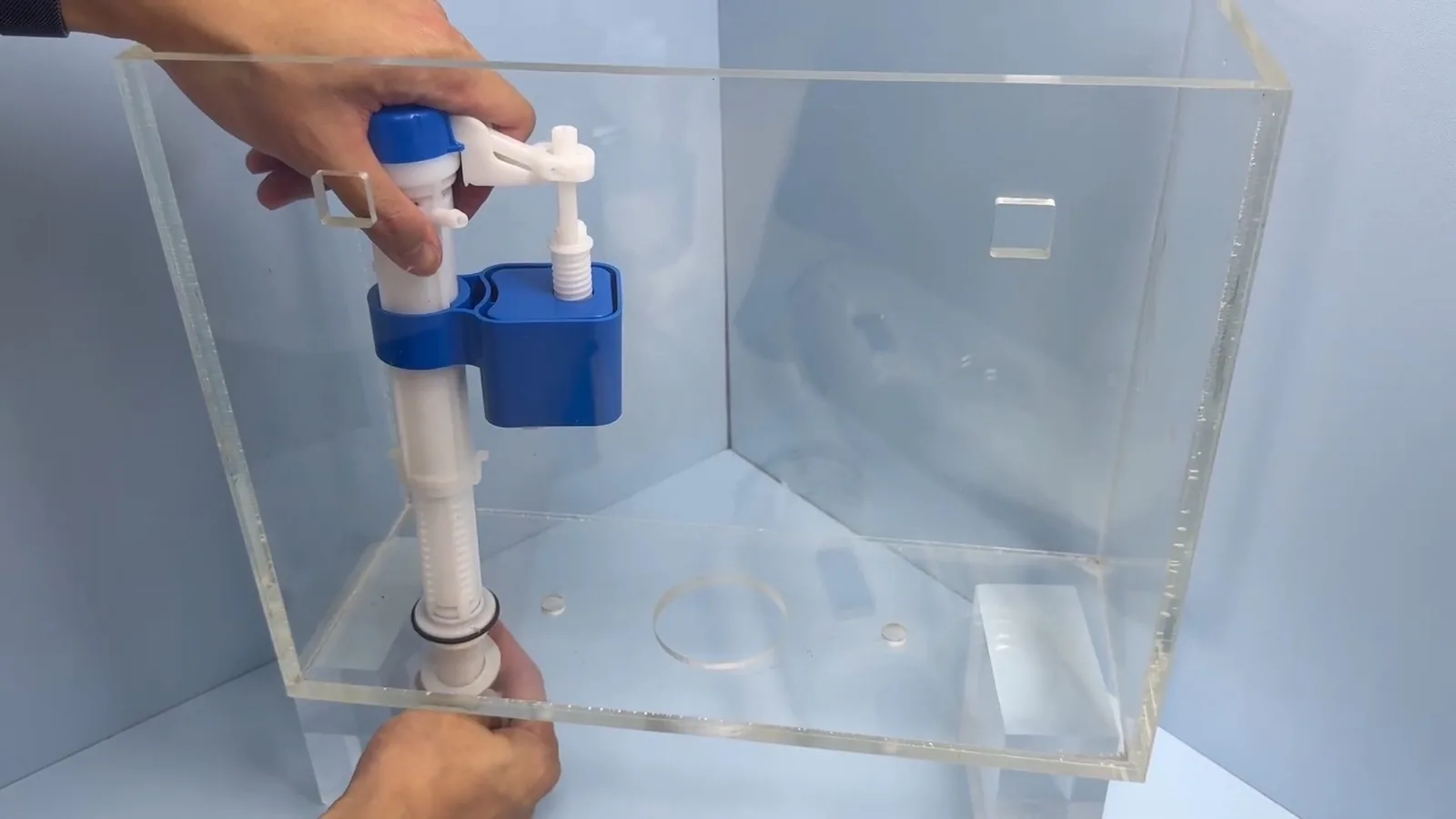
What the toilet is doing and which part is behind it
| Symptom | Usual cause | First check | Typical repair |
|---|---|---|---|
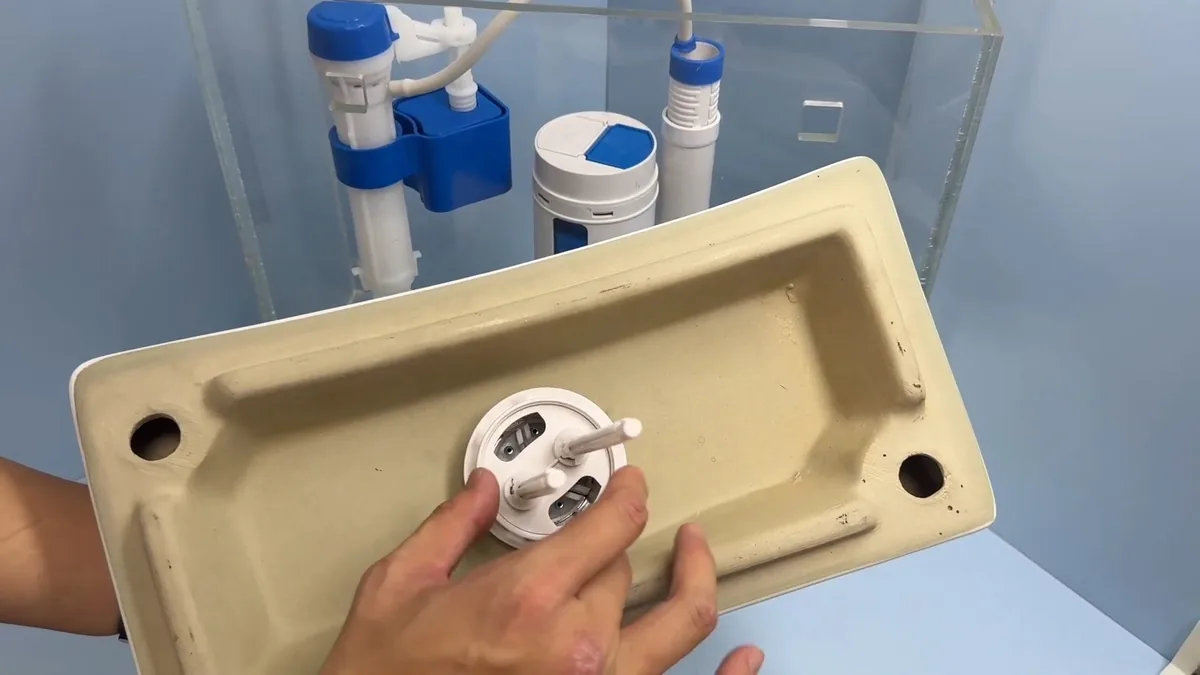
| Runs after flushing | A worn flapper or a chain that is too tight or too loose | Add a few drops of food coloring to the tank and wait fifteen minutes | Replace the flapper, adjust the chain |
| Fills constantly or whistles | A failing fill valve or a float set too high | Lift the float and see if the water stops | Replace or adjust the fill valve |
| Weak flush | Mineral buildup in the rim holes, a low tank level or a partial clog | Check the water line in the tank against the mark | Clear the rim jets, reset the level |
| Water around the base | A failed wax ring or loose closet bolts | Dry the floor, flush, and look for water at the base | Pull the toilet and reset it with a new wax ring |
| Rocks on the floor | Loose bolts, an uneven floor or a damaged flange | Check that the bolts are snug without overtightening | Reset with shims and a repaired flange |
| Sweating tank | Condensation, not a leak | Dry it and see whether water returns without flushing | Usually none |
Most of these are inexpensive parts. The sections that follow explain what a repair looks like and when the right answer is a new toilet.
A running toilet and your water bill
A toilet that leaks past the flapper can waste a large amount of water without any sound. The food coloring test is the quickest way to tell: color in the bowl without flushing means the seal is leaking.
If your bill has climbed and the toilets are clean, the cause may be elsewhere, and the meter leak test explains how to check. For a question about the bill itself, Greer CPW can be reached at (864) 848-5500.
Clearing a clogged toilet
- Stop flushing. A second flush on a blocked toilet can overflow the bowl.
- Lift the lid and close the flapper so the tank does not refill into the bowl.
- Use a flange plunger, with a good seal over the drain, and push and pull steadily.
- Pour a bucket of warm water in from waist height if the level drops slowly.
- If it still holds water after two or three tries, stop and call.
One clogged toilet is a toilet problem. If a tub or sink gurgles when you flush, or more than one drain backs up, the blockage is further down the line, and the guidance on sewage backups applies instead.
Do not use chemical drain openers in a toilet. They rarely clear a real clog, and they make the water dangerous to handle when a plumber has to work on it.
Leaks at the base and a toilet that rocks
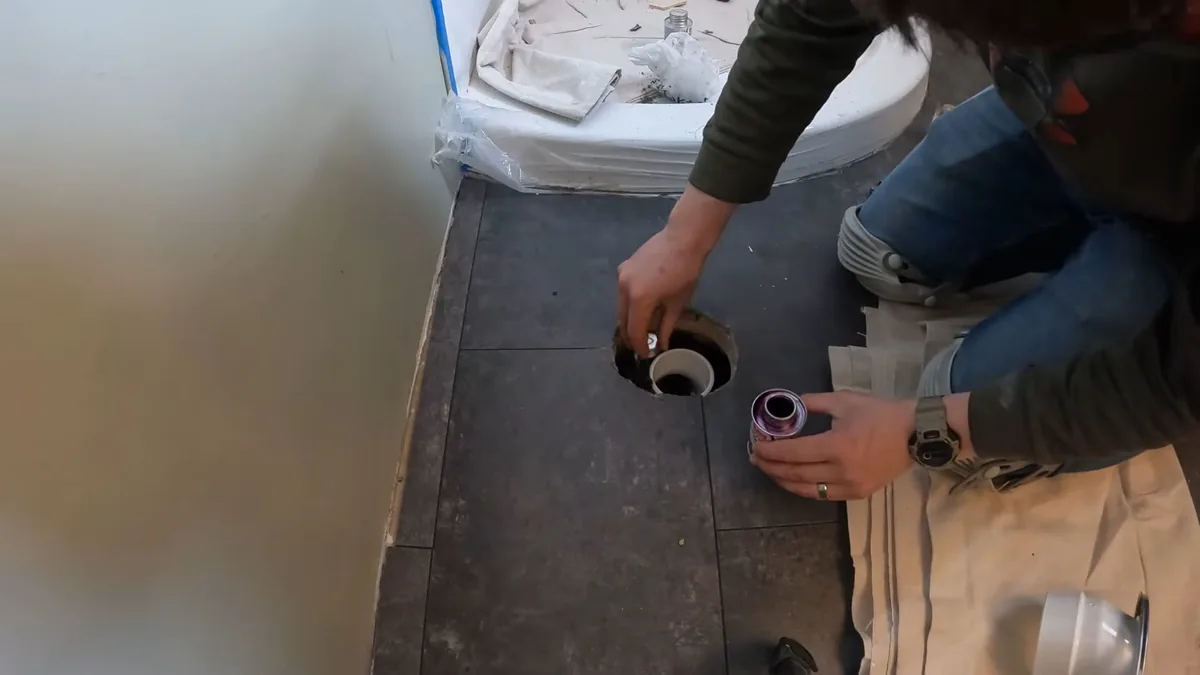
A wax ring seals the toilet to the drain flange. When it fails, water seeps out at the base, often only during a flush, and the floor under the toilet stays damp. The fix is to pull the toilet, replace the ring and reset it level.
A wet subfloor around a toilet is serious, because rot develops quietly. If the floor feels soft or has a stain, say so when you call. Repairing the flange or the floor may be part of the job.
Tell a plumber how your toilet is behaving
Describe the symptom, how old the toilet is and whether the floor around it is wet. We will say whether a part, a reset or a new toilet is likely.
Installing or replacing a toilet
Installing a toilet is mainly a question of fit: the distance from the wall to the drain, the height of the bowl and whether the flange is sound. A replacement in the same spot is often a single visit.
- Measure the distance from the wall to the center of the drain before choosing a model.
- Pick a bowl height and shape that suits the people who use it.
- Check the flange for cracks and for the right height above the finished floor.
- Replace the supply line and the shutoff valve if either is old.
- Test the flush and look for water at the base after the first few uses.
Dual flush models save water by offering a small and a large flush. They fit the same rough-in as a standard toilet, but the fill valve and the tank are different, so ask for the parts of the model you are buying.
Moving a toilet: relocation and permits
Moving a toilet to a new place is bigger than replacing one. The drain and the vent have to move with it, and the floor may need to be opened. Ask the permits office whether the change needs a permit. Within Greer, the City of Greer permits office is at (864) 848-2175, and outside the city limits Greenville County or Spartanburg County handles it.
Source: City of Greer planning and development permits
When a toilet is past repairing
- A cracked bowl or tank that leaks through the porcelain
- Repeated repairs to the same toilet in one year
- A flush that never clears the bowl even after the parts are replaced
- A toilet that is hard to find parts for, with an old tank and a worn bowl
In these cases, a new toilet costs less over time than another repair. A plumber who sees one of these signs should tell you why replacement is better, not simply sell a new one.
Questions to ask a plumber before approving toilet work
- What failed, and can you show me the worn part?
- Is a flange or floor repair likely?
- Does the new toilet fit the rough-in, and is the supply line included?
- Will you test the flush and check the base before you leave?
Toilet questions from Greer homeowners
Why does my toilet keep running?
A toilet usually runs because the flapper no longer seals, the chain is the wrong length, or the fill valve is not shutting off. Food coloring in the tank, with no flush for fifteen minutes, shows whether the flapper is leaking.
Why is there water around the base of my toilet?
It is often a failed wax ring or loose bolts. Dry the floor, flush, and see where the water appears. Wet or soft flooring around a toilet should be looked at promptly.
How do I know if it is just a toilet clog or something bigger?
One toilet that will not clear is a toilet problem. If a tub or sink gurgles when you flush, or more than one drain backs up, the blockage is in the main line.
Do I need a permit to replace a toilet?
A like-for-like swap is usually not treated like a rebuild. Moving a toilet to a new location involves drain and vent work, so ask the permits office that covers your address before work begins.