
Leaks and Pipes
Repiping in Greer, SC: When Old Supply Lines Are Worth Replacing and What the Job Involves
Repiping is the largest plumbing job most homes ever need, and it is rarely an emergency. Greer SC Plumbing Experts explains the warning signs, the materials and the questions to settle before anyone opens a wall.
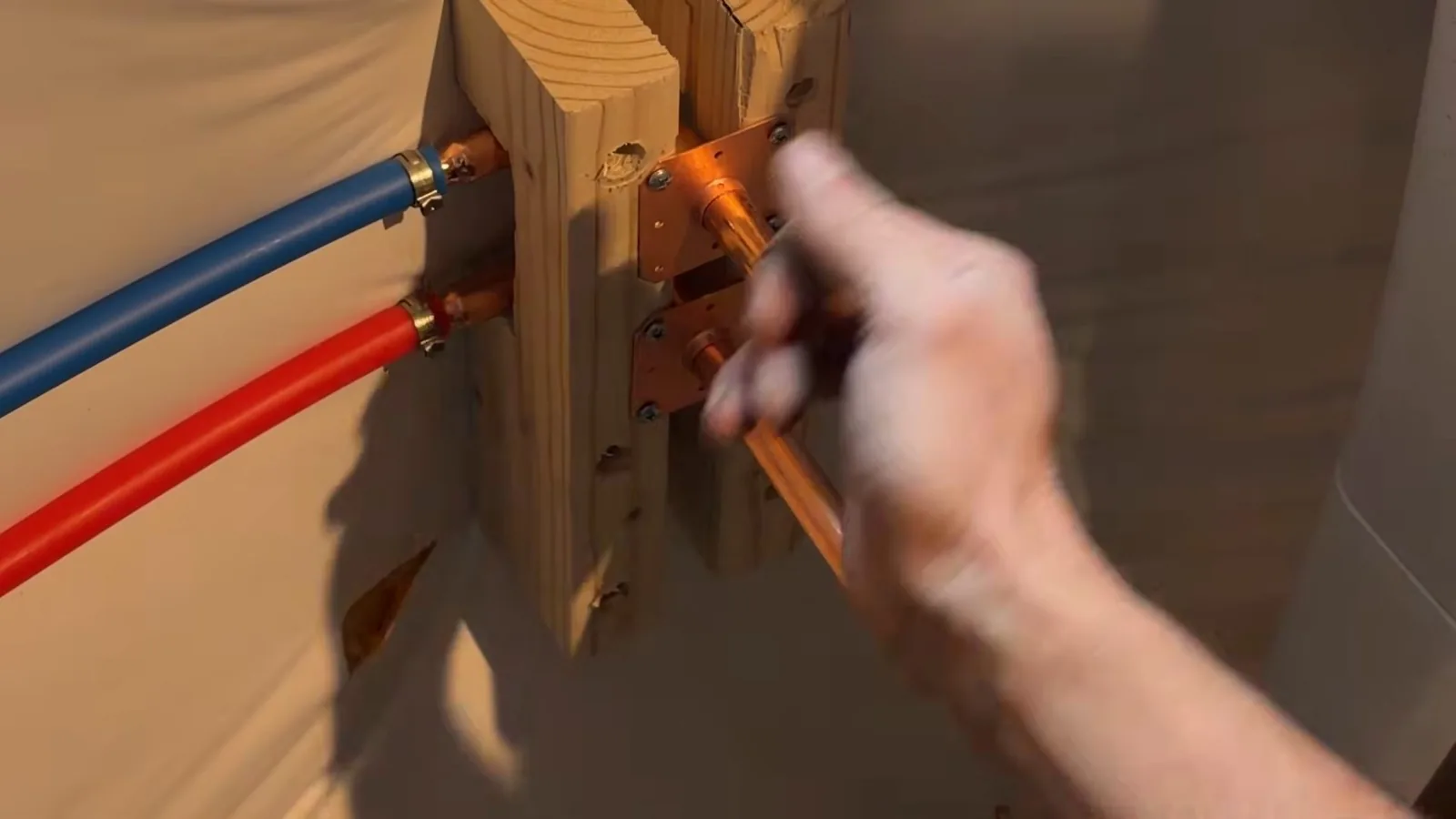
Signs that a house needs new supply lines
One leak is not a reason to repipe. A pattern is. The signs below, seen together, are the ones that justify a conversation about replacing the lines in a house.
- Repeated pinhole leaks in different places, not one failed fitting
- Brown or rusty water from several taps, especially after the water sat unused
- Falling pressure at more than one fixture, with the utility side ruled out
- Pipes that are visibly corroded, flaking or green at the joints
- A house built long enough ago that its piping material is no longer used for new work
A single burst or one stubborn leak is a different question, and the page on when a pipe bursts covers it. A leak you are still trying to locate belongs on the hidden leak page.
What your supply lines are made of
| Material | Where it shows up | How it tends to fail | Repipe? |
|---|---|---|---|
| Galvanized steel | Older homes | Rusts from the inside, narrows and restricts flow | Usually yes, once flow or leaks are a problem |
| Copper | Many homes from mid-century onward | Pinholes, thinning and failed joints | Depends on how many leaks and where |
| CPVC | Some newer homes | Becomes brittle and can crack at fittings | Depends on the condition and the failures so far |
| PEX | Newer homes and repipes | Rare failures, mostly at fittings | Rarely |
Your plumber has to look at the pipes you actually have. The material is often visible in the basement, crawl space or at the water heater, but a lot of supply pipe runs behind walls and under floors, where it has to be inferred or checked through an access point.
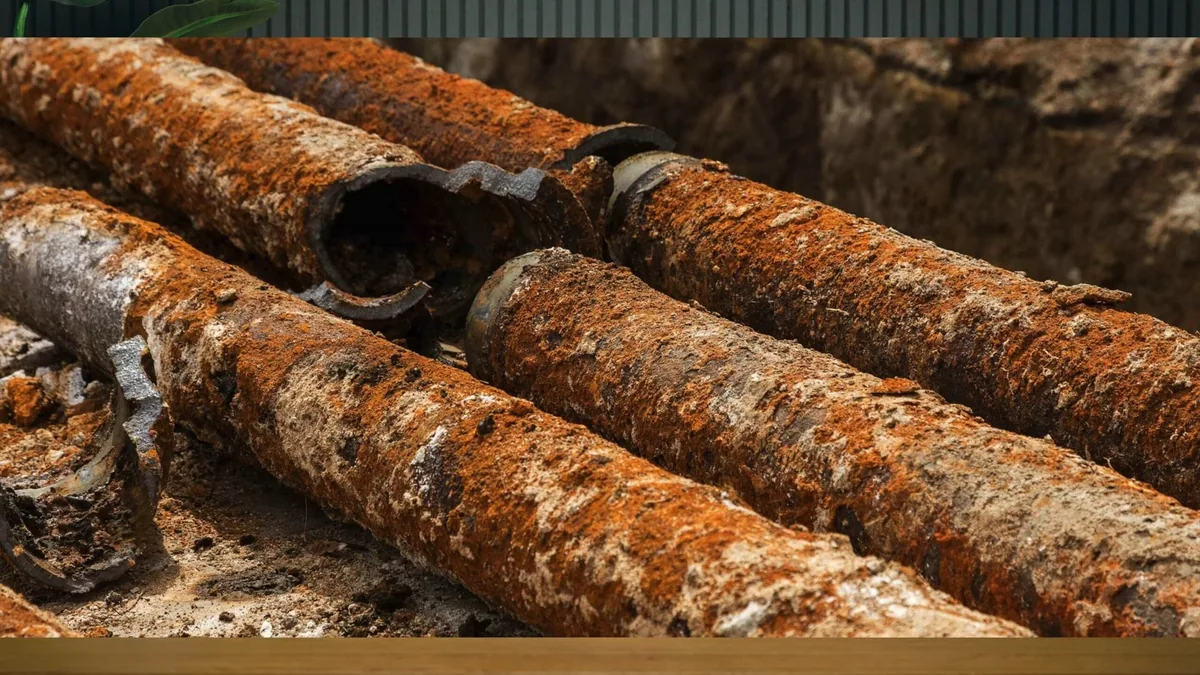
The utility's line and your line are different pipes
Greer CPW lists copper, galvanized iron, PEX and PVC in its service line mix and reports no known lead service lines. That describes the line from the main to your meter. It tells you nothing about the pipes inside your house, which belong to you.
CPW publishes a service line inventory map you can look up by address. For anything about the utility side, call (864) 848-5500. For the house, the plumber's inspection is the answer, and it is worth asking what was found and where.
Source: Greer CPW water supply
A repipe of the house does not replace the line from the street. Ask any plumber who quotes a repipe exactly which pipes are included and where the work begins and ends.
What a repipe looks like from the inside
- Inspection and a written scope: which fixtures, which floors, which pipes.
- Permit pulled where the work requires one.
- Water shut off and the old lines drained.
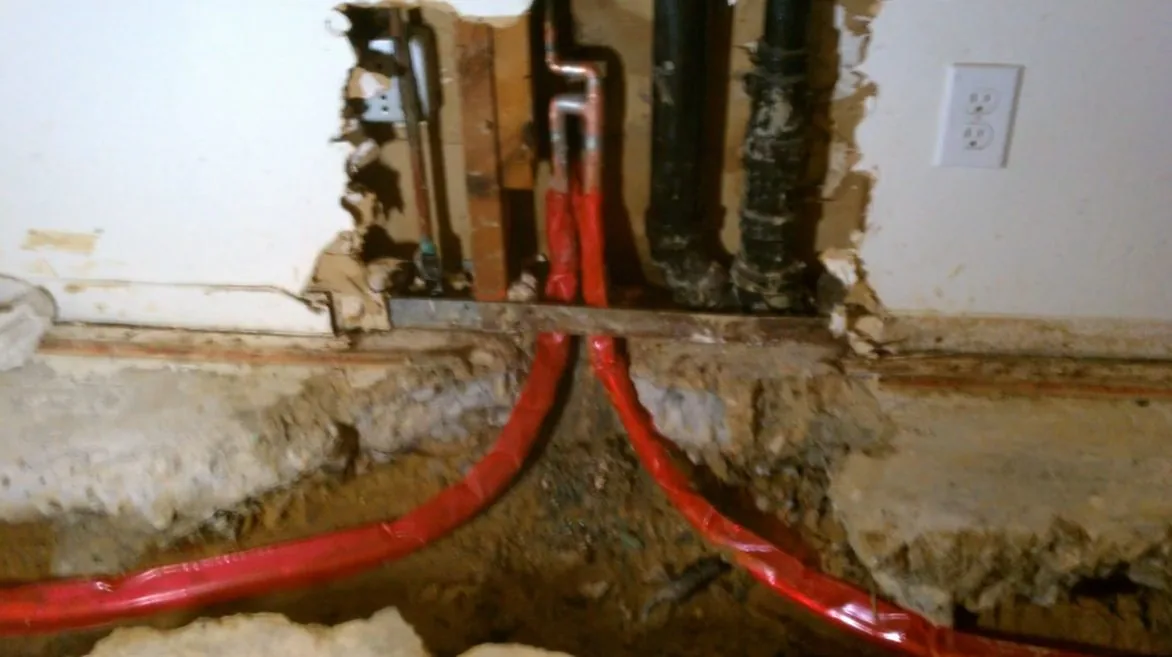
- Small access openings cut in drywall along the new routes.
- New PEX run to each fixture, often from a central manifold with a shutoff for each branch.
- Pressure test of the whole system before anything is closed.
- Drywall patched, and the old pipe removed or capped.
Most whole-house repipes take a few days, depending on the size of the house and how many floors it has. The water is off for part of each day. A plumber should tell you when it will be off and how long.
Talk through a repipe before you commit
Tell us what the pipes are made of, where they have failed and how big the house is. We will explain the options and what the job would involve.
Permits and licensing for a repipe
State law requires a license for residential plumbing work worth more than five hundred dollars, and a repipe is well past that. Ask for license details before work starts.
Repiping is permit-level work in most places. Inside the City of Greer, the permits office is at (864) 848-2175. Outside the city, Greenville County or Spartanburg County handles it, and the address decides which. Ask whether the permit is part of the quote, and ask for the permit number.
Source: City of Greer planning and development permits
Repipe the whole house, or only part of it?
Not every house needs everything replaced. If one floor has the failing pipe, a partial repipe may solve the problem. If the pipe is the same age everywhere and the failures are scattered, a partial repipe can leave you facing a second job within a few years.
- Partial repipe: the bad run is replaced and the rest is left alone.
- Whole-house repipe: every supply line is replaced, one project, one permit.
- Reroute only: a failed run, such as under a slab, is replaced by a new line through the walls or attic.
The slab-specific version of this question is on the slab leak page.
After the work: drywall, painting and water damage
Repiping opens walls. A good quote says who patches the drywall, whether painting is included and what happens to the old pipe. If the pipes were already leaking inside the walls, the wet material has to be removed and dried, which is described on the drying wet wall cavities page.
Questions to put in writing before approving a repipe
- What material are you using, and why?
- Which fixtures and which floors are included?
- How many access openings, and who patches them?
- Is the permit included, and who pulls it?
- How long will the water be off each day?
- What is the warranty on the pipe and on the labor?
A plumber who answers these in writing has given you something to hold the job against.
Repiping questions from Greer homeowners
How do I know if my house needs repiping?
A pattern of leaks in different places, rusty water from several taps and falling pressure at more than one fixture are the main signs. One leak on its own is usually a repair.
Does repiping include the line from the street?
No. A repipe covers the pipes inside the house. The service line from the main to the meter is the utility's side, and Greer CPW can answer questions about it at (864) 848-5500.
How long does a whole-house repipe take?
Typically a few days, depending on the size of the house and how many floors it has. The water is shut off for part of each day, and your plumber should tell you the schedule up front.
Do I need a permit to repipe a house?
In most cases, yes. Inside Greer the City of Greer permits office handles it at (864) 848-2175, and outside the city limits Greenville County or Spartanburg County does, depending on your address.