
Water Heaters
Tankless Water Heater in Greer, SC: Sizing, Venting and Whether to Switch
Tankless units heat water as it flows, so they never run out of stored hot water, but they can run out of flow. Greer SC Plumbing Experts checks the gas supply, the vent and your actual hot water use before recommending one.
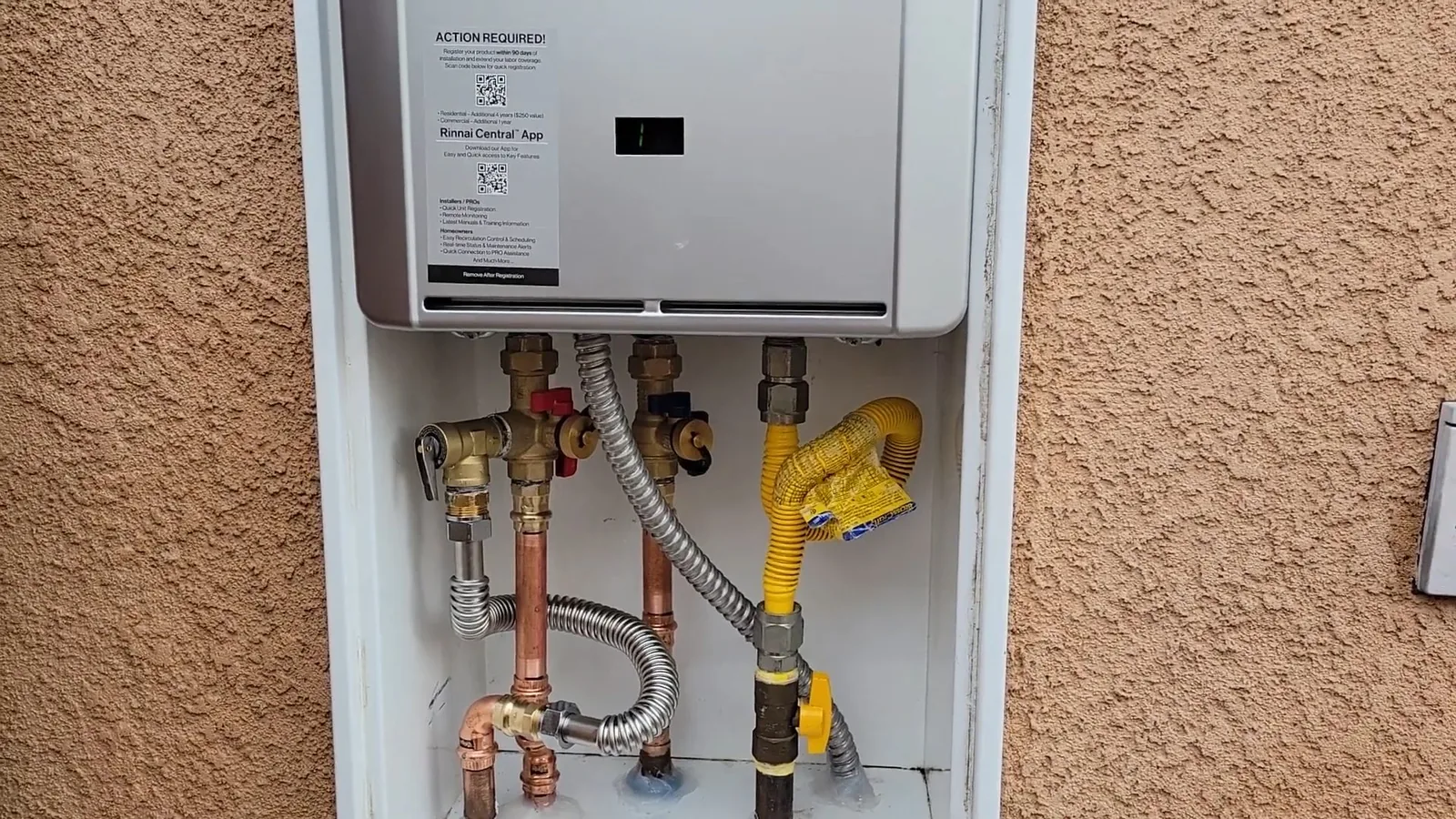
Is a tankless water heater right for your house? Four questions
- How much hot water runs at once? A shower, a dishwasher and a washer together set the flow the unit has to deliver.
- Is the gas supply large enough? Many tankless units draw far more gas than the tank they replace.
- Where will the vent go? Tankless units vent differently from tanks, and the route may differ from the old flue.
- For an electric unit, does the panel have the spare capacity? These units can draw a large load.
The answers decide whether a tankless unit fits at all. A plumber who recommends one without asking about them has not looked at the house.
A tankless heater does not make hot water endless. It heats a limited flow, and two heavy uses at once can exceed it.
Gas tankless: what the installer checks first
Gas units depend on three things: the capacity of the gas line, the venting and the condensate drain on high-efficiency models. A line sized for a tank heater may need upgrading, and that work is part of the quote and part of the permit conversation.
Greer CPW supplies natural gas inside its service area and answers at (864) 848-5500 for gas supply questions. If you smell gas at any time, leave the house and call 911 or your gas utility from outside. Do not try to find the source yourself.
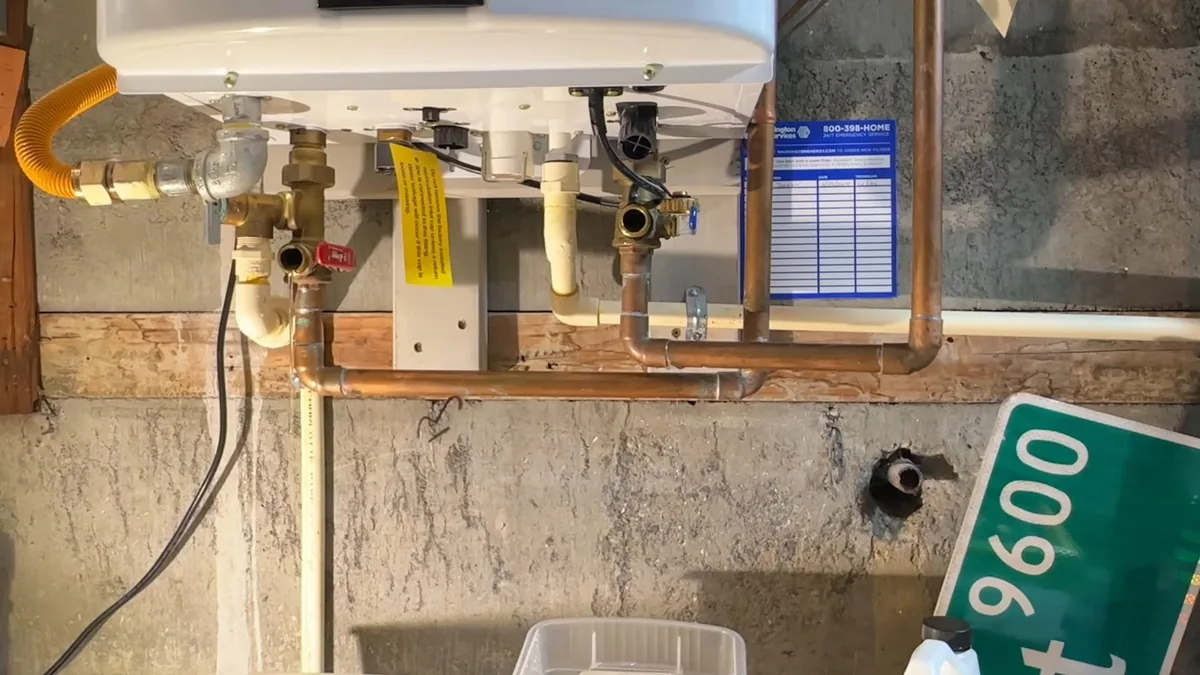
Electric and point-of-use units under the sink
Small point-of-use units sit under a sink or near a remote bathroom and heat water only for that fixture. They suit a long run where the wait for hot water is the complaint, not the supply.
| Question | Whole-house unit | Point-of-use unit |
|---|---|---|
| Heats | The whole house, one flow at a time | One sink or a small group of fixtures |
| Needs | Gas capacity or a large electric load, plus venting | A nearby outlet or circuit, usually no vent |
| Good for | Replacing a tank with on-demand heating | A fixture far from the heater with a long wait |
| Limit | Flow rate when several fixtures run | A small flow, suited to one tap |
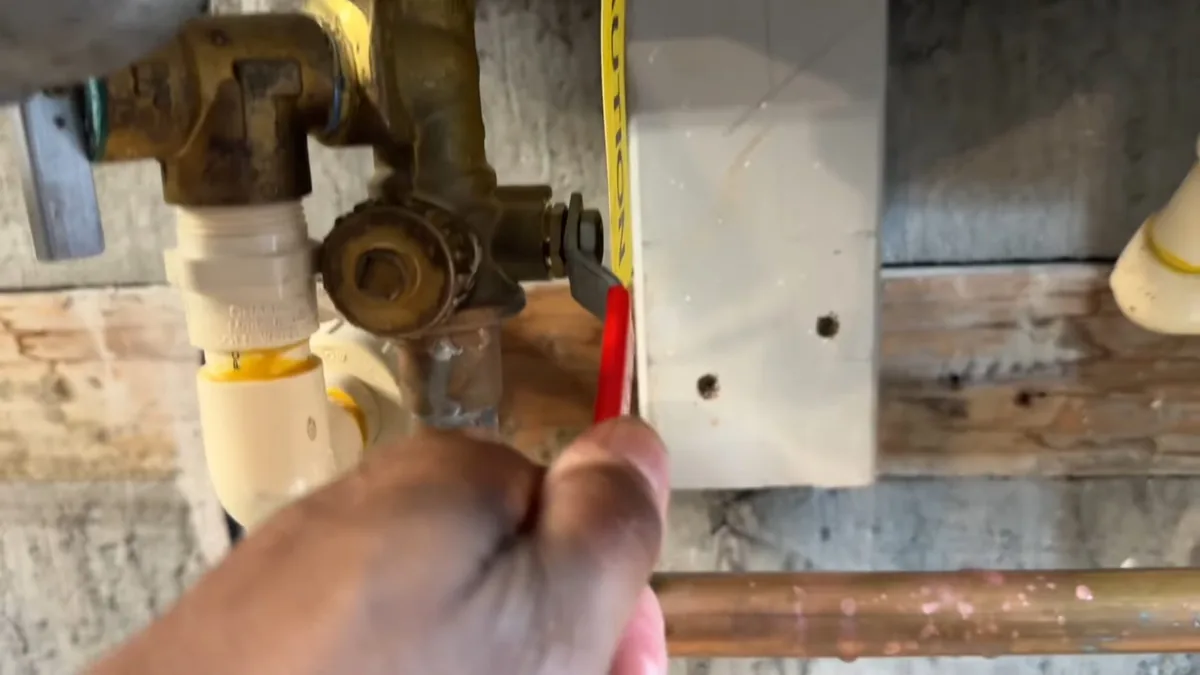
Find out if tankless fits your house
Tell us what runs at the same time and what fuel you have. We will say whether a tankless unit makes sense or whether a tank is the better fit.
What soft water means for descaling
Tankless units are descaled to remove mineral buildup from the heat exchanger. Greer CPW's 2025 report lists average hardness at 34.86 ppm, about 2 grains per gallon, which is soft, so scale builds slowly compared with hard-water regions.
Descaling intervals quoted for hard water may not apply as written. Ask the installer what interval the manufacturer calls for at your water hardness, and ask for a reading at your tap if you are unsure of the figure.
Source: Greer CPW 2025 Water Quality Report
Servicing and repairing tankless units
Tankless repair starts with the error code and the symptom: no hot water, water that turns cold in the middle of a shower, or a unit that will not ignite. Each points to a different cause, such as a clogged inlet filter, a flow sensor or a venting problem.
- Write down the error code shown on the unit before you call.
- Note whether the problem happens when only one fixture runs or only with several.
- Mention how long the unit has been installed and whether it has been flushed.
A tank heater that fails is a different job. For a standard heater, read about a tank heater repair.
Replacing a tank with a tankless: permit and what changes
The City of Greer lists replacement water heaters as work that needs a permit, and says the contractor obtains it. A tankless conversion changes more than a tank swap, so confirm with the permits office at (864) 848-2175 what your address needs. Outside the city, Greenville County or Spartanburg County sets the rules.
If you decide to stay with a tank, replacing a standard tank is the simpler path. Either way, the quote should list the gas, vent and electrical changes line by line.
Source: City of Greer planning and development permits
Questions that show whether a quote is complete
- What flow rate will the unit deliver, and at what temperature rise?
- Is the gas line large enough, and if not, what is being changed?
- Where will the vent run, and what type is it?
- Who is pulling the permit?
- What descaling interval does the manufacturer call for here?
Answers to these tell you whether the plumber has looked at your house or only at a catalog. A written quote should also name the unit model, the vent material and the warranty terms, so you can compare it with any other quote you collect.
Ask, too, what happens at your first service visit. A good installer explains how to read the unit's display, where the inlet filter sits and when the first flush is due, so you are not guessing the first time an error code appears.
Tankless water heater questions from Greer homeowners
Does a tankless water heater give endless hot water?
No. It heats water as it flows and has no storage tank to empty, but it can only heat a limited flow. Two heavy uses at once, such as a shower and a washer, can exceed what the unit delivers.
How often should a tankless unit be descaled in Greer?
Greer CPW reports soft water, about 2 grains per gallon, so scale builds slowly. Ask the installer what interval the manufacturer calls for at your hardness instead of assuming the hard-water schedule applies.
Can a tankless unit go where my old tank sits?
Sometimes. It depends on the gas supply, the vent route, the drain for condensate and the electrical capacity. A tankless unit is usually wall mounted, so the old footprint matters less than the connections.
Do undersink point-of-use units make sense?
They suit a fixture far from the main heater where the wait for hot water is the complaint. They heat a small flow, so they are not a substitute for a whole-house heater.